

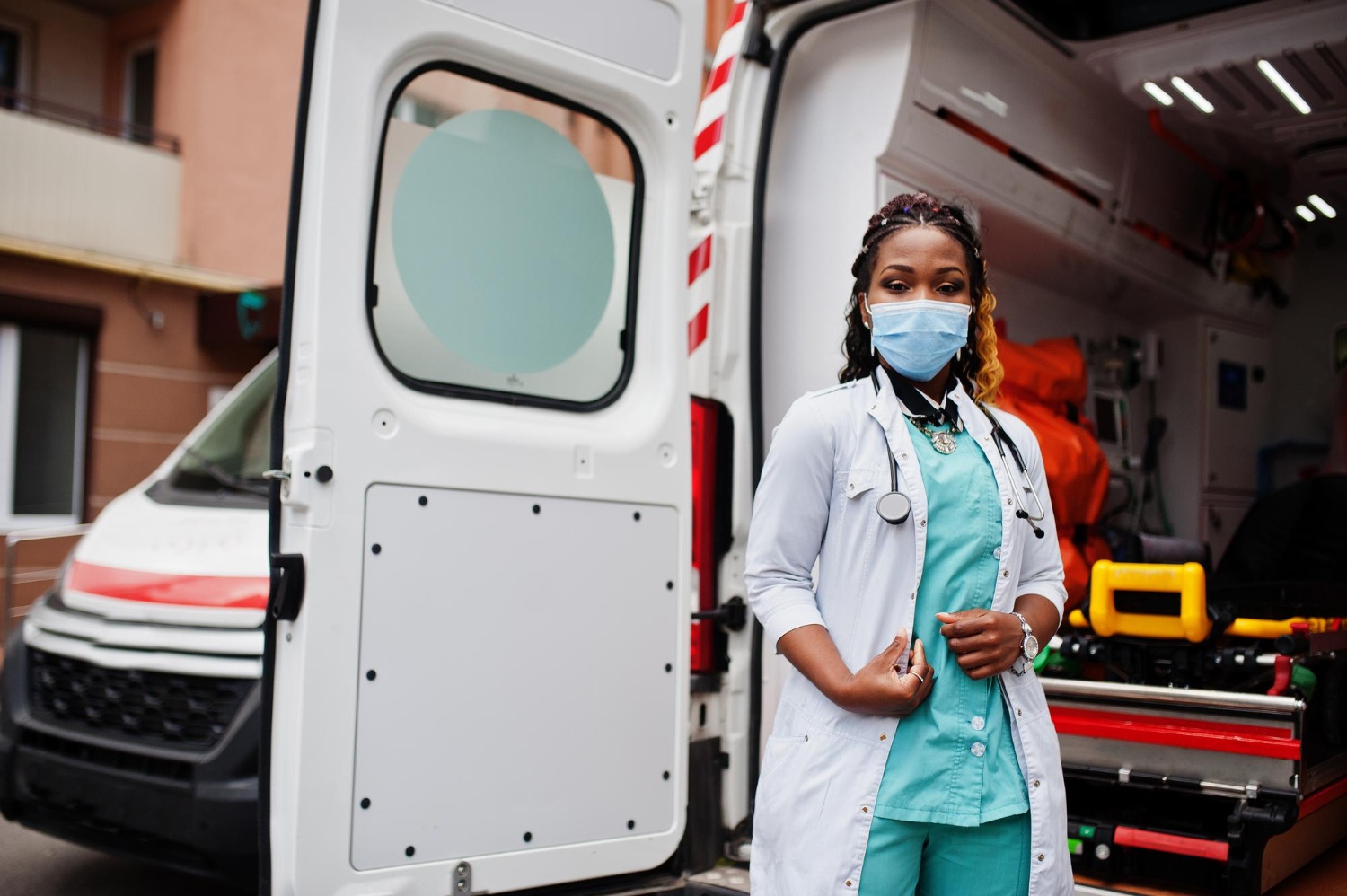
Specialized transportation services ensure patients reach medical appointments, grocery stores, and social outings safely with wheelchair-accessible vehicles and trained support.
Professional Transportation Services and Mobility Support
Transportation services in the context of home healthcare represent a critical link between a patient's residence and the essential services they need to maintain their health and dignity. For many individuals, especially seniors and those with physical disabilities, the inability to drive or navigate public transit can lead to missed medical appointments, social isolation, and a decline in overall well being. On FindCarez.com, we view transportation not just as a ride, but as a specialized mobility service that ensures safety, reliability, and clinical oversight during transit. This service is designed to bridge the gap between the home and the community, allowing patients to stay connected to their medical providers, their social circles, and their daily necessities.
The logistics of healthcare transportation go far beyond a standard taxi or ride share service. It involves drivers who are trained in patient handling, emergency protocols, and the use of specialized equipment such as wheelchair lifts and securement systems. By providing professional transportation, we remove one of the most significant barriers to consistent healthcare. When a patient knows they have a reliable way to get to their doctor, they are more likely to stay compliant with their treatment plans, leading to better long term health outcomes and a reduced risk of emergency hospitalizations.
Specialized Medical Appointment Transportation
Medical appointment transportation is the most critical component of this service. Missing a dialysis session, chemotherapy treatment, or a post surgical follow up can have life threatening consequences. Professional transportation services prioritize these clinical visits, ensuring that patients arrive on time and are returned home safely. The drivers are often briefed on the patient's mobility needs before the trip, allowing them to provide door to door or even bed to bed assistance if necessary. This level of support is essential for patients who are frail or those who experience fatigue after intensive medical treatments.
Furthermore, medical transportation includes assistance with the check in process. Often, the driver or an accompanying aide helps the patient navigate to the medical facility, ensuring they reach the correct department without stress. This is particularly helpful for patients with cognitive impairments or those who find large hospital complexes overwhelming. By providing a stable and supportive environment during transit, we reduce the physical and emotional exhaustion often associated with medical visits. This ensures that the patient can focus entirely on their consultation with the doctor, rather than the logistics of how they will get there and back.
Grocery and Essential Errand Transport
Maintaining a household requires regular access to groceries, pharmacies, and other essential services. For individuals who can no longer drive, these simple tasks can become major hurdles. Transportation services for errands are designed to restore a sense of normalcy and independence. Unlike medical transport, which is highly clinical, errand transport is more about functional support. The service allows patients to visit their preferred stores, choose their own fresh produce, and stay involved in the management of their own lives.
The driver often provides physical assistance during these errands, such as pushing a shopping cart, loading bags into the vehicle, and carrying them into the house upon return. This support prevents physical overexertion and reduces the risk of falls during outdoor activities. Access to fresh food and timely medication refills is a fundamental part of preventive health. By ensuring that patients can complete these errands safely, we support their nutritional health and medication adherence, both of which are critical for staying healthy at home. This service turns a potentially isolated situation into an opportunity for activity and engagement with the community.
Comparison of Transportation Service Categories
Service Category | Primary Destination | Clinical/Safety Focus |
Medical Transport | Clinics, Hospitals, Labs | Timeliness and patient stability |
Errand Transport | Groceries, Pharmacies, Banks | Physical assistance and safety |
Social Transport | Senior Centers, Family, Parks | Emotional well being and engagement |
Accessible Rides | Specialized Facilities | Wheelchair and equipment security |
Emergency Backup | Urgent Care, Late Refills | Rapid response and reliability |
Social Outing Transportation and Mental Well Being
Social isolation is a hidden epidemic among home bound individuals, often leading to depression and cognitive decline. Transportation for social outings is a clinical intervention designed to combat this isolation. Whether it is a trip to a senior center, a visit to a family member's home, or a simple afternoon at a local park, these outings provide vital mental stimulation and emotional connection. Human beings are inherently social creatures, and maintaining these connections is essential for a high quality of life.
Professional transportation makes these outings possible for individuals with complex mobility needs. The knowledge that they can leave their home safely encourages patients to stay active and engaged with the world. Therapists often recommend social outings as part of a holistic recovery plan, as the psychological boost from a change of scenery can improve a patient's motivation to participate in their own care. By facilitating these connections, transportation services support the "whole person" approach to healthcare, recognizing that a healthy mind is just as important as a healthy body.
Wheelchair Accessible Rides and Equipment Security
For individuals who rely on wheelchairs or motorized scooters, standard vehicles are often insufficient and unsafe. Wheelchair accessible transportation involves vehicles that are modified with ramps or hydraulic lifts, allowing the patient to remain in their chair during transit. This eliminates the need for potentially painful and dangerous transfers between the chair and a car seat. Safety is the absolute priority in these cases, and drivers are specially trained to use multi point securement systems that lock the wheelchair firmly into place.
These specialized rides also accommodate other medical equipment, such as portable oxygen tanks or intravenous poles. The vehicles are designed with extra space and reinforced floors to handle the weight and dimensions of complex mobility devices. Providing this level of accessibility ensures that no patient is trapped in their home simply because of their physical equipment. It represents a commitment to universal access, ensuring that everyone, regardless of their level of disability, has the right to move freely and safely through their community.

The Impact of Reliable Transport on Healthcare Compliance
Reliable transportation is a key social determinant of health. Studies have shown that a significant percentage of missed medical appointments are due to transportation barriers. When a patient has a dedicated service, they can trust; their compliance with preventative screenings and chronic disease management improves dramatically. This proactive approach to health allows for early detection of issues, which can be treated more effectively and at a lower cost than emergency interventions.
Furthermore, professional transport services provide a layer of observation. Drivers often notice changes in a patient's mobility or mental state during their interactions. This information can be shared with the nursing team or the family, acting as an early warning system. By integrating transportation into the broader clinical care plan, we create a seamless experience where the patient is supported at every step of their journey. It is an investment in the stability of the entire home healthcare system, ensuring that the home remains a safe base from which the patient can access all the resources of the modern medical world.
Conclusion
Transportation services are the invisible threads that hold a home care plan together. By providing specialized medical transport, errand assistance, social outing support, and wheelchair accessible rides, licensed professionals ensure that patients are never isolated from the care they need. This service protects physical health through clinical consistency and supports mental health through community engagement. FindCarez a committed to connecting families with the professional transportation services required to ensure that every patient can navigate their world with safety, dignity, and absolute reliability.