















France is currently navigating a significant demographic transition that is reshaping its social and healthcare landscape. Like many developed nations in Europe, the French population is aging rapidly, leading to an unprecedented demand for robust caregiving support systems. This shift is not merely a statistical observation, but a profound social change that affects millions of families across the country. As the number of elderly citizens grows, the pressure on both formal healthcare systems and informal family caregivers has reached a critical point, necessitating a comprehensive look at the current trends and future solutions in the sector.
The Demographic Shift: An Aging Population in France
The statistics regarding aging population France are clear and compelling. Projections suggest that by 2050, more than one third of the French population will be aged 60 or older. This longevity is a testament to the high quality of the French healthcare system and overall standards of living. However, it also introduces a set of challenges related to chronic illnesses, mobility issues, and the need for daily assistance. The traditional model of family care, where younger generations look after their elders, is under strain due to changing work patterns, smaller family sizes, and the geographical dispersion of family members.
Understanding Senior Care France
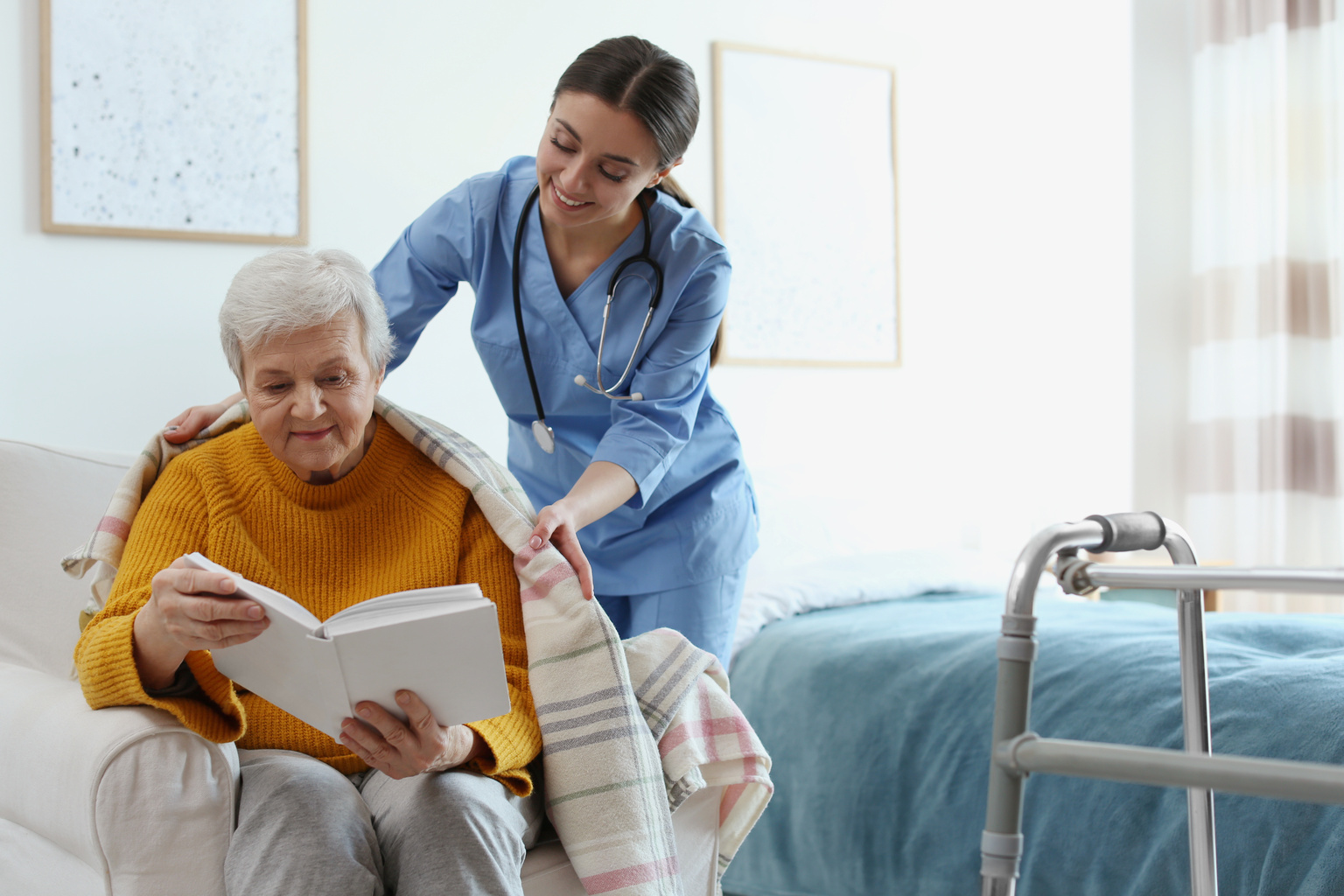
Senior care in France is a multifaceted sector that includes residential care, community based services, and home care. While nursing homes, known as EHPAD (Établissements d'hébergement pour personnes âgées dépendantes), remain a vital component of the system, there is a strong cultural and personal preference among the French elderly to age in place. This preference has fueled the growth of home care FR services, which allow seniors to maintain their independence while receiving the necessary medical and personal support. The government has also introduced various financial aids, such as the APA (Allocation Personnalisée d'Autonomie), to help families afford these essential services.

The Challenges Facing Family Caregivers
In France, a significant portion of elder care is provided by informal caregivers, usually spouses or children. These individuals often find themselves juggling full time employment with demanding caregiving responsibilities. The physical and emotional toll of this double burden is significant, leading to a rise in caregiver burnout. Identifying caregiver burnout solutions has become a priority for healthcare providers and policymakers alike. Without adequate support, family caregivers risk their own health, which can lead to a collapse of the entire care structure for the elderly person involved.
Emerging Elder Care Trends France
The sector is undergoing a digital and operational transformation. One of the most prominent trends is the integration of technology into daily care routines. This includes the use of telehealth platforms 2026 and remote patient monitoring services. These tools allow healthcare professionals to track vital signs and provide consultations without the need for frequent hospital visits, which can be stressful for elderly patients. Furthermore, there is a growing emphasis on private home care providers that offer specialized services tailored to individual needs. Moving away from one size fits all approaches.
The Role of Private Home Care Providers
As the public sector faces budgetary constraints and long waiting lists, many families are turning to private home care providers to bridge the gap. These agencies offer everything from basic help with household chores and meal preparation to specialized nursing care for conditions like dementia or Parkinson's. When families search for senior care agencies near me, they are increasingly looking for providers that can offer a seamless blend of medical expertise and compassionate companionship. This demand has led to a highly competitive market where quality of service and reputation are paramount.
The Rise of Digital Healthcare Solutions
Technology is playing a crucial role in alleviating the pressure on the French caregiving system. Telehealth platforms 2026 are expected to become even more integrated into the standard care pathway. These platforms facilitate quick access to general practitioners and specialists, which is particularly beneficial for those living in rural areas where medical facilities may be scarce. Additionally, remote patient monitoring services use wearable devices and smart home sensors to detect falls or changes in health patterns, providing peace of mind to both the elderly and their remote family members.
Addressing Caregiver Burnout
To combat the rising rates of exhaustion among family members, France has seen a growth in family caregiving resources. These include respite care services, where a professional caregiver takes over for a few days to allow the primary caregiver to rest. Support groups and counseling services are also becoming more accessible, helping individuals navigate the emotional complexities of watching a loved one's age. Providing affordable nursing care at home is another critical factor in reducing the burden on family members, ensuring that professional help is not just a luxury for the wealthy.
Market Dynamics and Patient Acquisition
From a business perspective, the healthcare sector in France is seeing a surge in innovation. For agencies and technology providers, implementing effective healthcare SEO strategies is essential to reach families in need. As more people use the internet to find services, appearing in searches for best home care agencies reviews is a key factor in success. Digital marketing and patient acquisition online have become as important as the clinical quality of the care provided, as they ensure that the right services reach the right people at the right time.
Comparison of Care Options in France
To help families understand the landscape, it is useful to compare the different types of support available. Each option has its own set of benefits and cost implications.
Elder Care Support Comparison Table
|
Service Type |
Target Audience |
Primary Benefit |
Cost Level |
Government Support |
|
EHPAD (Nursing Home) |
High dependency seniors |
24/7 medical supervision |
High |
Available via APA |
|
Public Home Care |
Low to moderate needs |
Aging in place |
Moderate |
Subsidized |
|
Private Home Care |
All dependency levels |
Personalized, flexible care |
Moderate to High |
Tax credits available |
|
Telehealth Services |
Remote/Mobility challenged |
Instant medical access |
Low |
Often reimbursed |
|
Respite Care |
Family caregivers |
Burnout prevention |
Moderate |
Limited subsidies |
Outlook: Caregiving France 2026 and Beyond
Looking ahead, the need for integrated care models will only increase. The future of caregiving France lies in the successful collaboration between human caregivers and advanced technology. The government is expected to continue refining financial assistance programs to keep up with the rising costs of care. Moreover, there will likely be a greater focus on preventative care, using data from remote monitoring to intervene before health issues become acute. The goal is to create a society where aging is not seen as a burden but as a phase of life supported by a compassionate and efficient infrastructure.
Conclusion
The growing need for caregiving support in France is a multifaceted challenge that requires a multi pronged solution. From expanding senior care France services to investing in the latest telehealth platforms in 2026, every effort counts. Family caregivers, who are the backbone of the system, must be supported with adequate family caregiving resources to prevent burnout and ensure the longevity of the care they provide. By embracing both traditional home care FR values and modern digital innovations, France can continue to provide a high standard of living for its aging population while supporting the families who care for them. The journey toward a more supportive care environment is ongoing, and it remains one of the most important social missions of the decade.
For a comprehensive guide on vetting private home care providers, visit FindCarez: https://findcarez.com/
 Perplexity
 Claude
 Grok
Grok