

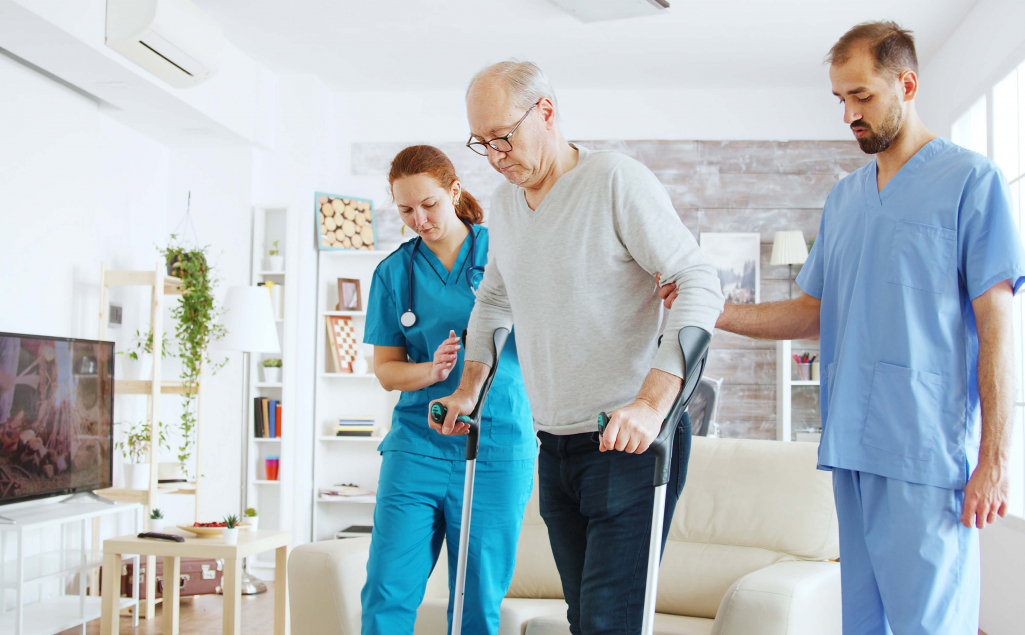
Occupational therapy helps patients regain independence in daily life by improving fine motor skills, teaching the use of adaptive tools, and rehabilitating daily activities like dressing and eating.
Occupational Therapy and Functional Independence at Home
Occupational therapy is a specialized healthcare profession that focuses on enabling individuals to participate in the activities of everyday life. Unlike other forms of therapy that may focus solely on physical movement, occupational therapy looks at the holistic relationship between the person, their environment, and the tasks they need to perform. When provided in a home setting, this service becomes a powerful tool for restoring dignity and independence. On FindCarez.com, we highlight the role of occupational therapists as clinical experts who help patients overcome physical or cognitive barriers to perform daily living tasks. The goal is to ensure that every individual can live life to its fullest, regardless of injury, illness, or the natural process of aging.
In a residential environment, occupational therapy is deeply personalized. The therapist assesses not just the patients' physical limitations but also the specific layout of their home and the routines that matter most to them. Whether it is a stroke survivor learning to dress themselves again or a senior with arthritis finding new ways to cook safely, occupational therapy provides the practical solutions needed for self reliance. By focusing on functional outcomes, this therapy ensures that the progress made in a clinical sense translates directly into a higher quality of life and a more secure home environment.
Developing and Restoring Fine Motor Skills
Fine motor skills involve the coordination of small muscle movements, usually involving the synchronization of hands and fingers with the eyes. These skills are essential for almost every task we perform, from buttoning a shirt and using a fork to typing on a computer or handwriting a letter. For patients recovering from neurological events like strokes or managing conditions like Parkinsons disease, the loss of fine motor control can be incredibly frustrating. Occupational therapists use targeted therapeutic exercises to retrain the brain and muscles to work together again.
In a home setting, these exercises often involve everyday objects. A therapist might have a patient practice picking up coins, threading beads, or using specialized putty to strengthen the grip. These repetitive, precise movements help rebuild the neural pathways necessary for dexterity. As the patient regains control over their hands, they regain the ability to manage their personal hygiene, prepare their own meals, and engage in hobbies that provide mental stimulation. This restoration of fine motor function is a critical step in the journey toward total independence and self confidence.
Adaptive Tools Training and Environmental Modification
One of the unique aspects of occupational therapy is the use of adaptive tools and equipment. These are specially designed devices that help people perform tasks they might otherwise find impossible due to physical limitations. An occupational therapist is an expert at identifying which tools will be most beneficial for a specific patient. Training the patient on how to use these tools safely and effectively is a core part of the service. This can range from simple reaches and long handled shoehorns to complex electronic systems that control home lighting and temperature.
Adaptive tools also include items like weighted utensils for those with tremors, button hooks for those with limited finger dexterity, and specialized shower chairs for bathroom safety. Beyond just recommending tools, the therapist looks at the home environment. They may suggest modifications such as installing ramps, widening doorways, or changing the height of kitchen counters. These changes, combined with the right tools, create an environment where the patient can move and function without constant assistance. It turns a challenging home into an accessible sanctuary that supports the patient's recovery and long term well being.
Comparison of Therapy Outcomes and Focus
Feature | Physical Therapy (PT) | Occupational Therapy (OT) |
Primary Focus | Gross motor skills and walking | Fine motor skills and daily tasks |
Goal | Mobility and physical strength | Functional independence and self care |
Tools Used | Treadmills, weights, and bands | Adaptive utensils and reaches |
Environment | Focus on physical movement | Focus on task performance and safety |
Assessment | Range of motion and gait | Activities of daily living (ADL) |
Daily Activity Rehabilitation and ADL Success
The heart of occupational therapy is the rehabilitation of activities of daily living, often referred to as ADLs. These are the basic tasks that every person needs to do to take care of themselves, such as bathing, dressing, grooming, and eating. When an illness or injury makes these tasks difficult, it can lead to a loss of self esteem and a feeling of helplessness. An occupational therapist breaks these complex tasks down into smaller, manageable steps, teaching the patient new techniques to accomplish them.
For example, if a patient has lost the use of one arm, the therapist will teach them one handed dressing techniques. If a patient suffers from chronic fatigue, the therapist will teach energy conservation strategies, such as sitting down while preparing vegetables or organizing the kitchen so that frequently used items are within easy reach. This functional rehabilitation ensures that the patient is not just getting stronger in a general sense but is becoming more capable of managing their own life. It is this focus on the practicalities of living that makes occupational therapy so vital for long term home care success.
Balance Improvement and Fall Prevention Strategies
While balance is often associated with physical therapy, occupational therapists approach it from a functional perspective. They look at how a patient's balance affects their ability to perform tasks. For instance, does the patient lose their balance when reaching into a cupboard or when stepping over a bathtub rim? By identifying these specific moments of instability, the therapist can create exercises that improve dynamic balance, the ability to stay stable while moving and performing a task.
Balance improvement in occupational therapy often involves coordination exercises that challenge the patient's equilibrium in a controlled environment. The therapist might have the patient practice standing on one leg while washing dishes or reaching items at different heights while maintaining a steady base. Combined with a thorough home safety assessment to remove trip hazards, this approach significantly reduces the risk of falls. By improving balance within the context of daily activities, the therapist ensures that the patient feels secure and confident as they move through their home, further supporting their independence.

Cognitive Rehabilitation and Mental Well Being
Occupational therapy also addresses cognitive challenges that may interfere with daily functioning. This is particularly important for patients with traumatic brain injuries or those in the early stages of dementia. Therapists use memory aids, sequencing tasks, and cognitive exercises to help patients stay organized and focused. This might involve creating visual schedules for medication or teaching the patient how to use a digital calendar to track appointments.
This cognitive support has a direct impact on mental well being. When a patient can successfully navigate their day and manage their own affairs, they feel a sense of accomplishment and reduced frustration. Occupational therapists also help patients find meaningful ways to spend their time, encouraging engagement in social activities or creative pursuits that prevent isolation. By addressing the mind as well as the body, occupational therapy provides a comprehensive approach to health that supports the whole person.
Conclusion
Occupational therapy at home is a transformative service that bridges the gap between physical recovery and true independence. By focusing on fine motor skills, adaptive tools training, daily activity rehabilitation, and balance improvement, licensed therapists provide patients with the practical skills needed to reclaim their lives. This service ensures that the home remains a place of function, safety, and dignity. FindCarez is committed to connecting families with professional occupational therapy services that empower individuals to overcome their challenges and achieve a higher quality of life through functional excellence and personalized care.