

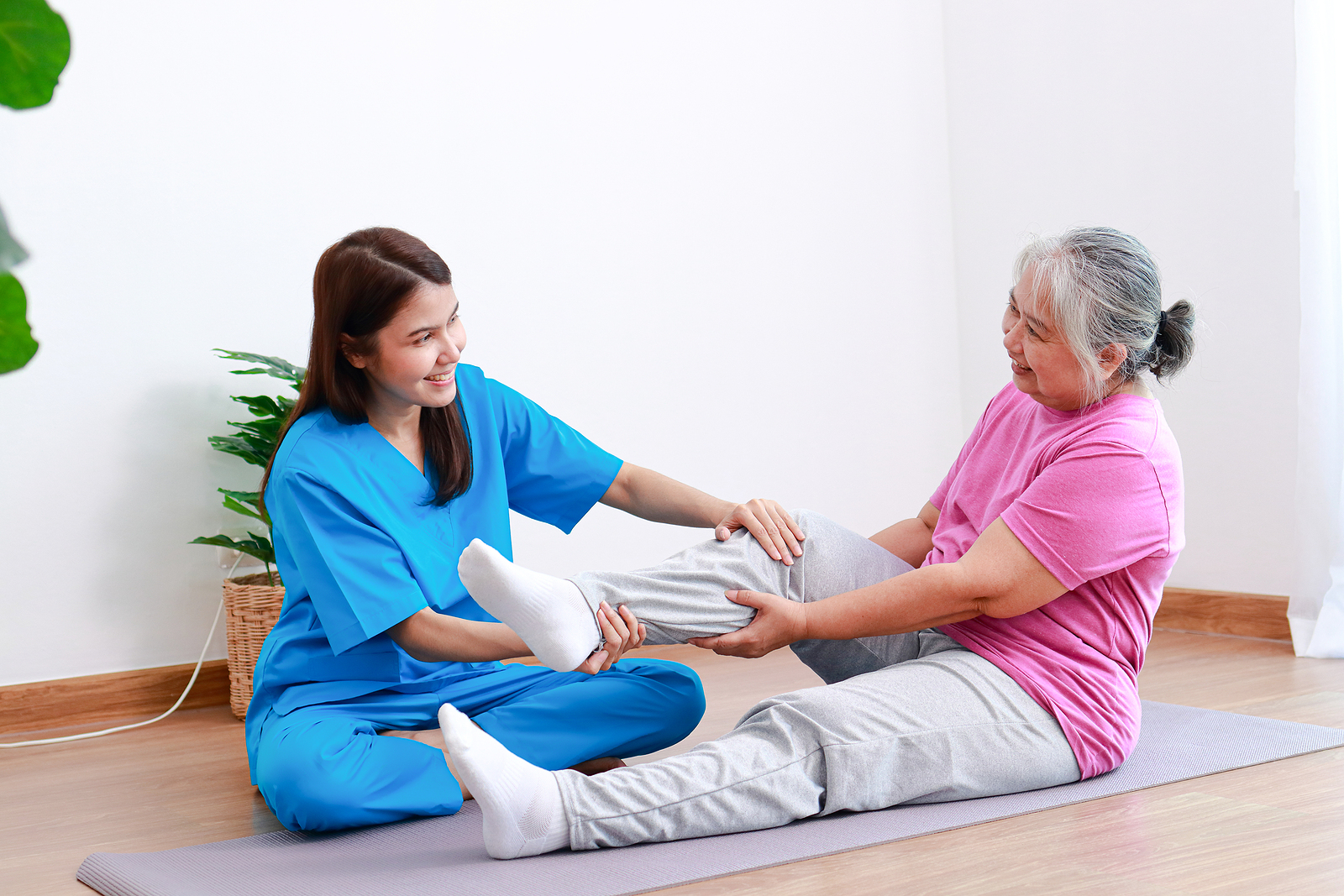
Physical therapy at home focuses on mobility improvement, strength training, and injury rehabilitation to help patients regain independence and recover safely after surgery.
Physical Therapy and Mobility Restoration in Home Healthcare
Physical therapy is a critical branch of rehabilitative health that uses specially designed exercises and equipment to help patients regain or improve their physical abilities. When provided in a home setting, physical therapy offers a unique advantage by allowing patients to practice mobility and strength training in the environment where they spend most of their time. This service is essential for seniors, individuals recovering from major surgeries, and those rehabilitating after a significant injury. On FindCarez.com, we emphasize the importance of professional physical therapy as a transformative tool that restores independence and enhances the quality of life through clinical movement science.
The primary objective of home based physical therapy is to address functional limitations that prevent a person from performing daily activities. Whether it is a result of aging, a sudden stroke, or a complex orthopedic procedure, the loss of mobility can lead to a rapid decline in mental and physical health. A licensed physical therapist assesses the patients' current state and develops a customized plan that focuses on specific goals such as walking without assistance, climbing stairs, or simply standing up from a chair safely. By bringing this expertise directly to the home, we eliminate the physical and emotional stress of traveling to an outpatient clinic.
The Science of Mobility Improvement
Mobility improvement is the foundation of all physical therapy interventions. It involves increasing the range of motion in joints and improving the flexibility of muscles. For many patients, mobility is lost gradually due to chronic conditions like arthritis, or suddenly due to an injury. The physical therapist uses various manual therapy techniques and guided stretches to loosen tight tissues and improve blood flow to stiff areas. This process is vital because restricted movement often leads to compensatory patterns that can cause pain in other parts of the body.
In a home setting, mobility training is tailored to the specific layout of the patient's residence. The therapist identifies environmental barriers and teaches the patient how to navigate them. This might include practicing safe transfers from a bed to a wheelchair or learning how to move through narrow hallways and doorways. By mastering these movements in their own home, the patient gains the confidence needed to move more frequently, which in turn prevents secondary complications of immovability such as pressure sores or blood clots.
Strategic Strength Training for Stability
Strength training is not just about building muscle mass; in a clinical context, it is about creating the stability required to support the skeletal system. As people age or recover from illness, muscle atrophy can occur quickly, leading to a high risk of falls. A physical therapist introduces progressive resistance exercises that target the core, legs, and upper body. These exercises are carefully calibrated to the patient's current strength level to ensure safety and prevent overexertion.
Stronger muscles provide better support for the joints, which significantly reduces chronic pain. For instance, strengthening the quadriceps and hamstrings can alleviate the pressure on a degenerating knee joint. In home therapy, therapists often use simple but effective tools like resistance bands, light weights, or even the patient's own body weight. The goal is to build functional strength that translates directly into daily tasks, such as carrying groceries, lifting a laundry basket, or maintaining balance while reaching for an item on a high shelf.
Comparison of Physical Therapy Goals
Therapy Focus | Primary Method | Desired Outcome |
Mobility | Range of motion and stretching | Fluid and pain free movement |
Strength | Resistance and weight training | Increased stability and fall prevention |
Rehabilitation | Functional task practice | Restoration of specific body functions |
Recovery | Post surgical protocols | Healing and return to baseline health |
Balance | Coordination and gait training | Confidence in walking and standing |
Advanced Injury Rehabilitation Protocols
Injury rehabilitation is a structured process designed to return a patient to their preinjury state of health. Whether the injury is a fracture, a ligament of tear, or a soft tissue strain, the healing process must be managed with clinical precision. If a patient starts moving too soon or in the wrong way, they risk re injuring the area or creating permanent damage. A physical therapist provides the necessary guardrails to ensure that rehabilitation is both effective and safe.
The rehab process usually follows a specific timeline for healing. Initially, the focus is on reducing inflammation and managing pain through gentle movements and ice or heat therapies. As the tissue heals, the therapist introduces more complex functional tasks. This might involve balance training or coordination exercises that retrain the nervous system to communicate effectively with the injured limb. Rehabilitation in the home allows for a more focused and private experience, where the patient can concentrate entirely on their recovery without the distractions of a busy gym or clinic.
Optimizing Post Surgery Recovery at Home
Post surgery recovery is one of the most common reasons for home based physical therapy. After procedures such as hip or knee replacements, spinal surgeries, or cardiac operations, the first few weeks are critical for a successful long term outcome. Surgeons often provide specific protocols that must be followed to ensure the surgical site heals correctly and the new joint or repaired tissue functions as intended.
The therapist monitors the surgical site for signs of infection or swelling while leading the patient through early mobilization exercises. These early movements are essential for preventing the buildup of scar tissue, which can lead to permanent stiffness. Post surgical therapy also includes pain management techniques that do not rely solely on medication. By using movement as a therapeutic tool, therapists help patients manage their discomfort naturally while rebuilding the stamina needed to return to their normal lifestyle.

Gait Training and Fall Prevention Strategies
Gait training is a specialized area of physical therapy that focuses on how a person walks. An abnormal gait can be caused by muscle weakness, joint stiffness, or neurological issues. The therapist analyzes the patients' stride, foot placement, and balance during movement. They then provide corrective cues and exercises to normalize the walking pattern. This is particularly important for seniors, as a steady gait is the best defense against life changing falls.
Fall prevention is a holistic part of home physical therapy. Beyond just strengthening the body, the therapist performs a home safety assessment. They suggest modifications like installing grab bars, removing loose rugs, or improving lighting in transition areas. By combining physical strengthening with environmental safety, physical therapy provides a comprehensive shield against the most common cause of injury among the elderly.
The Importance of Patient and Caregiver Education
Education is a powerful component of therapy. The physical therapist teaches the patient about the mechanics of their own body, explaining why certain movements cause pain and how others can relieve it. They also provide a home exercise program that allows the patient to perform independently between professional visits. This consistency is what leads to long term success.
Caregivers are also integrated into the therapy sessions. The therapist teaches family members how to assist the patient with transfers and walking without straining their own backs. They provide instructions on how to encourage the patient and how to recognize when the patient is pushing too hard. This educational approach ensures that the recovery continues twenty four hours a day, not just when the therapist is present.
Conclusion
Physical therapy at home is more than just an exercise routine; it is a clinical intervention that rebuilds lives. By focusing on mobility improvement, strength training, injury rehabilitation, and post surgery recovery, licensed therapists provide the expertise needed to navigate the challenges of physical decline. This service ensures that every patient can regain their independence in a safe and supportive environment. FindCarez is dedicated to connecting families with the professional therapy services required to turn the home into a space for active healing and long term physical wellness.