
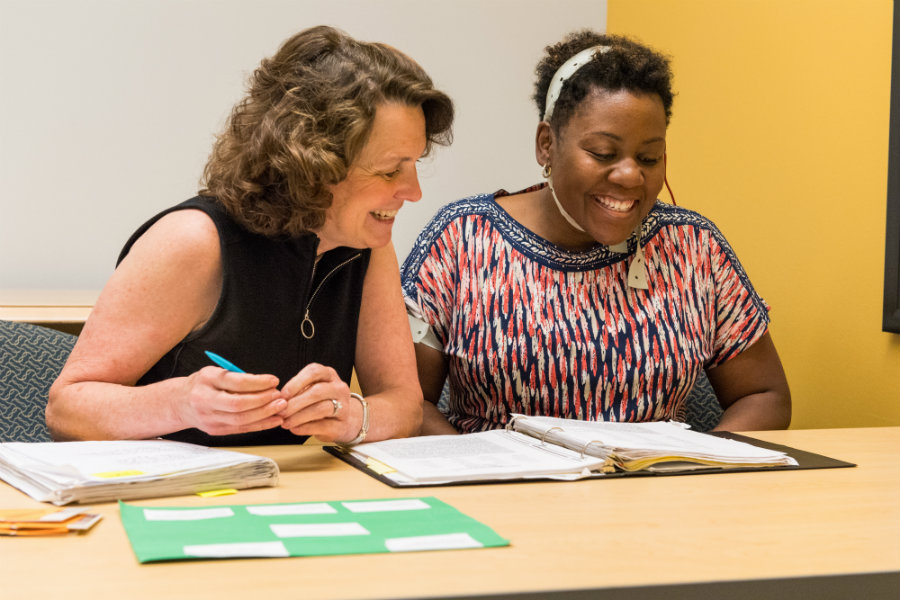
Speech Language Pathology at home provides expert therapy for speech clarity, safe swallowing, and cognitive communication to help patients regain their voice and independence.
Speech Language Pathology and Communication Recovery at Home
Speech Language Pathology is a specialized clinical field dedicated to the assessment and treatment of communication disorders and swallowing difficulties. When these services are provided in the home, they offer a significant advantage for patients who may feel self conscious or frustrated by their limitations. A Speech Language Pathologist, commonly known as an SLP, works with individuals of all ages to improve their ability to speak, understand, and interact with the world around them. On FindCarez.com, we recognize SLPs as vital clinical professionals who help patients reclaim their voice and ensure their physical safety during essential tasks like eating and drinking.
The role of an SLP in a residential setting is deeply investigative. They do not just treat the symptoms; they look at the underlying neurological and physiological causes of the disorder. Whether the patient is recovering from a stroke, managing a progressive condition like Parkinsons, or rehabilitating after a traumatic brain injury, the SLP develops a personalized plan that addresses the specific barriers to effective communication. By working in the home, the therapist can use the patient's actual environment and daily social interactions as a laboratory for recovery, making the therapy more practical and immediately applicable to real life.
Clinical Speech Therapy and Articulation Improvement
Speech therapy focuses on the physical production of sounds and the clarity of speech. Many patients experience dysarthria, a condition where the muscles used for speech are weak or difficult to control, resulting in slurred or slow speech. An SLP uses a variety of oral motor exercises to strengthen the tongue, lips, and jaw. These exercises are combined with articulation drills that help the patient practice specific consonants and vowel sounds that they find challenging. This process requires patience and repetition, but it is the primary way to rebuild the clarity needed for others to understand the patient.
In addition to physical exercises, speech therapy addresses fluency and voice quality. Patients who suffer from stuttering or those whose voices have become raspy or quiet due to vocal cord issues receive specialized training to manage their breath and vocal projection. In a home setting, the therapist can observe how the patient communicates with family members and provides real time cues to improve their speech patterns. This direct intervention helps the patient feel more confident during conversations, reducing the social isolation that often accompanies speech disorders.
Advanced Swallowing Therapy and Dysphagia Management
One of the most critical aspects of an SLPs work is swallowing therapy, also known as dysphagia management. Swallowing is a complex biological process that involves dozens of muscles and nerves working in perfect synchronization. When this process is disrupted, there is a high risk of aspiration, where food or liquid enters the lungs instead of the stomach. This can lead to aspiration of pneumonia, a life threatening condition. SLPs use specialized techniques to assess the patient's swallowing safety and develop strategies to prevent complications.
Swallowing therapy often involves changing the consistency of the patient's diet. The therapist might recommend thickened liquids or soft foods that are easier to control in the mouth. They also teach the patient specific swallowing maneuvers, such as the chin tuck or the supraglottic swallow, which protect the airway during the process. In the home, the SLP can work directly with the family and the cook to ensure that meals are prepared and served according to these safety guidelines. This hands on approach ensures that the patient can receive adequate nutrition and hydration without the constant fear of choking or infection.
Comparison of Speech Language Pathology Interventions
Therapy Domain | Focus Area | Primary Clinical Goal |
Speech Therapy | Muscle control and articulation | Improved clarity and vocal projection |
Swallowing Therapy | Airway protection and muscle coordination | Safe intake of nutrition and hydration |
Cognitive Therapy | Memory, attention, and executive function | Improved daily organization and safety |
Language Therapy | Word finding and comprehension | Better expression of thoughts and needs |
Social Therapy | Conversational turn taking and cues | Enhanced interaction within the family |
Cognitive Communication Therapy for Daily Functioning
Cognitive communication therapy addresses the mental processes that support communication. This includes memory, attention, problem solving, and executive functions. Patients with brain injuries or early stage dementia often find it difficult to stay focused on a conversation, remember what they wanted to say, or organize their thoughts into a logical sequence. An SLP uses cognitive exercises to stimulate these areas of the brain, helping the patient regain the mental clarity needed for effective social interaction.
In a home environment, cognitive therapy is highly functional. The therapist might have the patient practice organizing a weekly medication schedule, managing a grocery list, or following a multi step recipe. These tasks require a high level of cognitive organization and attention to detail. By practicing these activities under professional guidance, the patient rebuilds the skills necessary to manage their own household and personal affairs. This therapy is not just about communication; it is about the cognitive foundation that allows a person to live safely and independently.
Aphasia Rehabilitation and Language Processing
Aphasia is a language disorder that affects a person's ability to communicate, often occurring after a stroke in the left hemisphere of the brain. It can impact the ability to speak, read, write, and understand what others are saying. Aphasia does not affect intelligence, but it can make the person feel trapped within their own mind. SLPs use various evidence based techniques, such as Melodic Intonation Therapy or Constraint Induced Language Therapy, to help the brain bypass damaged areas and find new ways to process language.
Rehabilitating language in the home allows the therapist to use familiar objects and family names as the basis for exercises. This makes the therapy more meaningful and emotionally resonant for the patient. The SLP also trains family members on how to communicate with the patient effectively, such as using shorter sentences or visual aids to support comprehension. This collaborative approach ensures that patients' homes become a supportive language environment where they can practice their skills without the fear of judgment or misunderstanding.
Managing Social Communication and Pragmatics
Social communication, or pragmatics, refers to the unwritten rules of conversation, such as taking turns, staying on topic, and reading nonverbal cues. Neurological conditions can sometimes disrupt these skills, making social interactions awkward or difficult for both the patient and their family. An SLP works with the patient to recognize these cues and practice social scenarios in a safe, controlled setting.
This part of therapy is essential for maintaining relationships and preventing social withdrawal. The therapist might facilitate a group of conversations with family members, providing feedback to the patient on their conversational timing and topic maintenance. By improving these social skills, the SLP helps the patient stay integrated into their family life and community, which is vital for their overall emotional and psychological health. Communication is the primary way we connect with others, and restoring these connections is the ultimate goal of all SLP interventions.

Conclusion
Speech Language Pathology at home is a life changing service that addresses the most fundamental aspects of human interaction and physical safety. By combining speech therapy, swallowing management, and cognitive communication rehabilitation, licensed SLPs provide the comprehensive care needed to overcome the challenges of communication disorders. This service ensures that every patient can regain their voice and eat safely in the comfort of their own home. FindCarez is dedicated to connecting families with the professional SLP services required to restore communication, confidence, and quality of life through clinical excellence and personalized therapeutic care.