
















The aged care NZ framework is built on a foundation of providing dignity and specialized support for the silver generation across Aotearoa. As the demographic profile of the country shifts, understanding the various senior housing options of NZ becomes a priority for families and individuals alike. The system is designed to be inclusive, offering a range of services from basic support in one's own home to full time clinical care in specialized facilities. Navigating this landscape requires careful elder care planning NZ, as the transition between independent living and supported care involves both emotional and financial considerations. The New Zealand government, through various District Health Boards and specialized agencies, provides subsidies and support structures to ensure that high quality care remains accessible to all citizens regardless of their economic background.
The Entry Point and Needs Assessment
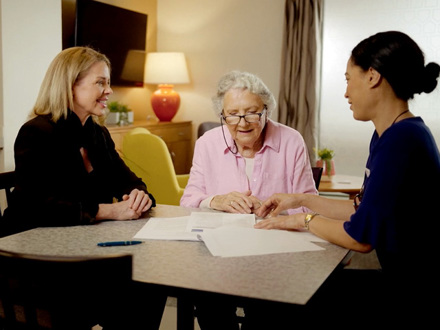
Accessing the aged care NZ system begins with a formal Needs Assessment and Service Coordination process. This evaluation is essential as it determines the level of support an individual requires and their eligibility for government funded services. Whether a senior needs help with basic household tasks or intensive medical supervision, the assessment provides a clear roadmap for their future care journey. Families searching for senior care agencies near me often rely on these assessments to identify providers that can meet specific approved needs. This process is designed to be person centered, ensuring that the individual's preferences and cultural requirements are considered during the elder care planning NZ phase. It acts as the gateway to access both home based support and residential care facilities.
Home Care vs Rest Homes NZ
A critical decision for many New Zealanders is choosing between staying at home with support or moving into rest homes NZ. Home care services allow seniors to maintain their independence in familiar surroundings. These services can include anything from personal care and meal preparation to complex nursing tasks. For many, finding affordable nursing care at home is the ideal solution, allowing them to age in place while receiving professional medical attention. Conversely, rest homes in NZ provide a structured environment with twenty four hour care and social activities. This option is often preferred for those with higher medical needs or those who may be experiencing social isolation. The choice between these senior housing options of NZ depends on the individual's health status, the availability of family support, and the specific level of care identified during their assessment.
Comparison of Primary Care Services in New Zealand
|
Service Level |
Setting |
Support Intensity |
Primary Funding |
|
Home Support |
Private Residence |
Low to Moderate |
Government Subsidy |
|
Rest Home Care |
Residential Facility |
Moderate to High |
Means tested Subsidy |
|
Hospital Level |
Specialized Unit |
Very High Clinical |
District Health Board |
|
Dementia Care |
Secure Unit |
Specialized High |
Government + Private |
|
Respite Care |
Short term Facility |
Temporary Relief |
Daily Rate Subsidy |
Technological Integration and Telehealth Platforms 2026
The year 2026 has brought about a significant evolution in how care is delivered in New Zealand, largely driven by the adoption of telehealth platforms 2026. These digital tools have revolutionized the connection between seniors and healthcare professionals, especially those living in rural areas. By utilizing video consultations and digital monitoring, telehealth platforms 2026 reduce the need for stressful travel while ensuring regular medical oversight. Furthermore, the integration of remote patient monitoring services allows clinicians to track vital signs like blood pressure and heart rate in real time. This proactive approach ensures that any health decline is caught early, potentially preventing hospital admissions. Private home care providers are increasingly incorporating these remote patient monitoring services into their standard care packages to provide an extra layer of safety and peace of mind for families.
Supporting the Family and Caregiver Wellness
Family members are often the unsung heroes of the aged care NZ system, providing significant unpaid support to their loved ones. However, the continuous demands of caregiving can lead to exhaustion, making caregiver burnout solutions a vital part of the support network. In New Zealand, various family caregiving resources are available, including respite care and specialized training. Accessing these caregiver burnout solutions allows family members to take necessary breaks while ensuring their loved ones receive high quality care. Agencies that provide robust caregiver support and utilize best home care agencies reviews to improve their services often see better outcomes for the entire family unit. Ensuring the wellbeing of the caregiver is just as important as the health of the senior, as it maintains the sustainability of the home based care model.
Business Excellence and Healthcare SEO Strategies
For organizations providing these essential services, maintaining a strong digital presence is key to reaching families in need. Implementing effective healthcare SEO strategies ensures that when people search for senior care agencies near me, they find reputable and reliable providers. In a competitive market, patient acquisition online depends on the ability to demonstrate trust, expertise, and transparency. Sharing best home care agencies reviews and detailed information about senior housing options NZ helps build the credibility needed to guide families through their decision making process. Private home care providers must balance their clinical excellence with sophisticated healthcare SEO strategies to remain visible in an increasingly digital world. This focus on patient acquisition online allows providers to connect with those specifically looking for affordable nursing care at home.
Financial Planning and Asset Testing
The financial aspect of aged care NZ is managed through a system of means testing and asset evaluation. The government provides a residential care subsidy for those who meet specific financial criteria, helping to cover the costs of rest homes in NZ. For families, elder care planning NZ must include a thorough review of assets and income to understand what level of government support they might receive. Finding affordable nursing care at home also requires research into various funding streams, such as the individualized funding model which gives seniors more control over how their care budget is spent. Navigating these financial waters is a complex but necessary step to ensure that the chosen care path is sustainable in the long term. Professional advice is often recommended to understand the implications of asset testing on family inheritances and property.

The Future Outlook of Care in 2026 and Beyond
As we move forward, the New Zealand aged care sector is becoming more personalized and technologically advanced. The emphasis is shifting toward preventive care, where remote patient monitoring services and AI driven health analytics play a central role. We are seeing a greater variety of senior housing options in NZ, including lifestyle villages that offer a continuum of care as needs change. The continued expansion of telehealth platforms 2026 will further improve access to specialist care for all New Zealanders. This evolution ensures that the system remains resilient and capable of meeting the needs of a growing elderly population with compassion and efficiency. The goal is to create a seamless experience where health and social needs are addressed in a coordinated and person centered manner.
Conclusion: A Unified Approach to Aging
Navigating the aged care NZ system is a journey that requires information, empathy, and careful planning. Whether you are exploring the benefits of rest homes in NZ or seeking the best family caregiving resources to support aging in place, the options available today are more diverse than ever. FindCarez.com remains committed to being a trusted partner in this journey, providing the connections and insights needed to navigate the complexities of elder care planning NZ. By combining professional home care services with the latest innovations in telehealth platforms 2026, we can ensure that every senior in New Zealand enjoys a safe, dignified, and supported life. With the right mix of community support, professional expertise, and technological integration, the path to quality aged care becomes clearer and more accessible for every family.
For a comprehensive guide on vetting private home care providers, visit FindCarez: https://findcarez.com/
Understanding New Zealand’s Aged Care System - FAQs
1. How do I start the process for aged care NZ?
The first step is to contact your local Needs Assessment and Service Coordination (NASC) agency. They will conduct a free assessment to determine what level of support or senior housing options NZ you are eligible for.
2. Are rest homes NZ fully funded by the government?
Funding depends on a financial means test. If you meet the asset and income criteria, you may receive a Residential Care Subsidy. If you are over the threshold, you will be a self funder until your assets reach a certain level.
3. How can telehealth platforms 2026 help seniors in rural NZ?
Telehealth platforms 2026 allow seniors to have video consultations with specialists in major cities like Auckland or Christchurch without traveling. This ensures regular checkups and better management of chronic conditions.
4. What are the best caregiver burnout solutions in NZ?
Respite care is the most common solution, allowing the primary caregiver to have a break while the senior stays in a facility or receives extra home care services. Support groups and family caregiving resources are also available through local health boards.
5. Can I get affordable nursing care at home through my health board?
Yes, if your assessment shows a clinical need, the government may fund home based support services. Private home care providers also offer additional hours that you can pay privately to supplement public funding.
 Perplexity
 Claude
 Grok
Grok