

















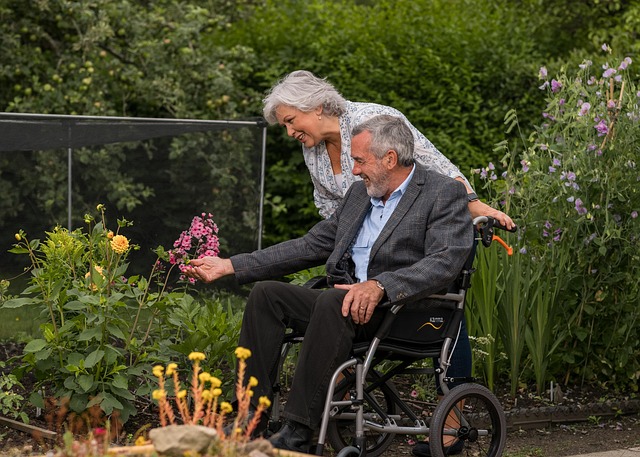
Introduction: The Growing Desire to Age in Place
Aging in place is no longer just a preference. It has become a movement in senior care. Seniors across the world are choosing to remain in their own homes instead of transitioning to nursing facilities or retirement communities. According to a 2023 AARP survey, nearly 77 percent of adults over 50 say they want to age at home. This number has steadily increased over the past decade. In 2010, that figure was closer to 65 percent. By 2025, the number of seniors expressing this preference is projected to rise even higher as technology, healthcare access, and home modifications make it possible.
The trend is clear. Families are looking for safe, affordable, and sustainable ways to support loved ones who want to remain at home. Data from the U.S. Census Bureau shows that by 2030, one in five Americans will be over the age of 65. With that rapid demographic shift, preparing for aging in place is more important than ever.
This article outlines five key factors that influence successful independent living for older adults. It blends recent data, long-term trends, and actionable strategies while pointing you to resources like FindCarez.com, a trusted platform for finding senior care providers, caregivers, and planning support.
Factor 1: Home Modifications for Safety and Accessibility
One of the most important steps in aging in place is making a home safe and accessible. As seniors age, their mobility often decreases. Falls are a leading cause of injury among older adults. According to the Centers for Disease Control and Prevention (CDC), one in four seniors reports a fall each year. From 2010 to 2020, fall-related emergency visits for adults over 65 increased by more than 30 percent. Without proactive adjustments, many seniors face avoidable risks inside their homes.
Common modifications include:
- Installing grab bars in bathrooms
- Adding stairlifts or ramps
- Widening doorways for wheelchair access
- Replacing slippery flooring with non-slip surfaces
- Using smart lighting systems to reduce nighttime accidents
The home modification industry has seen significant growth. Market reports show that spending on senior home renovations doubled between 2015 and 2023. By 2030, the market for aging-friendly home products is expected to reach billions globally. These changes not only reduce risk but also provide peace of mind to families supporting loved ones at home.
To find reliable home safety and accessibility resources, families often turn to directories like FindCarez.com/senior-care-facilities, where they can compare providers and services tailored to seniors.
Factor 2: Reliable Home Care and Caregiver Support
Even the safest home cannot guarantee independence without reliable human support. Professional caregivers and home health aides are the backbone of aging in place. They provide medical assistance, daily living support, companionship, and relief for family caregivers.
According to the U.S. Bureau of Labor Statistics, the demand for home health aides and personal care aides is projected to grow by 25 percent between 2021 and 2031. That is much faster than the average for all occupations. This surge reflects not only an aging population but also the preference for home-based care over institutional living.
The cost of home care has also shifted over time. Genworth’s Cost of Care Survey shows that in 2015, the national median cost for home health aide services was around $20 per hour. By 2023, the median hourly rate had risen to $27, reflecting both inflation and higher demand. Yet, compared with assisted living facilities that average over $4,500 per month, home care remains an affordable choice for many families.
Caregiver burnout, however, is a growing challenge. More than 53 million Americans provide unpaid care to aging relatives. Many struggles with balancing careers, children, and caregiving responsibilities. This is why platforms such as FindCarez.com/caregivers are becoming essential. Families can use these platforms to connect with certified caregivers, schedule support, and ease the burden on family members.
Factor 3: Financial Planning for Long-Term Independence
Aging in place is often more cost-effective than moving to a senior living facility, but it is not free. Families need to prepare for expenses ranging from caregiver services to home safety upgrades and medical equipment.
Key financial considerations include:
- Hourly or monthly costs for home health aides
- Medicare and Medicaid coverage limits
- Long-term care insurance options
- Emergency savings for unexpected medical needs
The Genworth survey offers a detailed look at these costs. For example, in 2010, the monthly median cost of a home health aide was about $3,100. By 2020, this cost rose to over $4,500. In 2025, estimates suggest it could surpass $5,000 depending on location and service type. These rising costs highlight the importance of early planning.
Elder law attorneys and financial planners can help families explore strategies like Medicaid asset protection, trusts, and annuities. Families can also consult resources like FindCarez.com/elder-lawyers to connect with legal professionals who specialize in planning for long-term independence.
Factor 4: Technology and Smart Health Monitoring
Technology has become one of the most exciting developments in senior care. Smart devices and health monitoring systems now allow seniors to live more independently while staying connected to healthcare providers and family members.
Examples of technology supporting aging in place:
- Wearable devices that track heart rate, sleep, and physical activity
- Smart pill dispensers with reminders and alerts
- Telehealth platforms for virtual doctor visits
- Emergency response systems with GPS tracking
The adoption of telehealth skyrocketed during the COVID-19 pandemic. In 2019, only 11 percent of seniors used telemedicine. By 2021, that number had jumped to nearly 50 percent. Industry projections show that the global market for eldercare technology could surpass $30 billion by 2030.
These tools reduce hospital visits, improve medication compliance, and provide families with real-time updates on their loved one’s well-being. They also help bridge the gap in rural and underserved areas where access to in-person care may be limited.
Families exploring options for senior-friendly technology can often find guidance through platforms like FindCarez.com, which connect them to senior care products and trusted service providers.
Factor 5: Building a Community and Emotional Support Network
Aging in place is not just about physical safety and financial stability. Emotional health plays a critical role in senior well-being. Social isolation is a growing concern, particularly for seniors who live alone. According to the National Institute on Aging, loneliness can increase the risk of dementia, heart disease, and depression. Between 2010 and 2020, research revealed a 20 percent increase in loneliness reported among older adults. Post-pandemic studies show the situation has become even more pressing.
Strategies for building emotional support include:
- Participating in local senior centers and community programs
- Joining faith-based groups or volunteer organizations
- Engaging with online support groups for seniors
- Using video calls and digital communities to stay connected with family
Many neighborhoods are creating “aging in place villages,” where local volunteers provide transportation, shopping assistance, and social opportunities. These initiatives reduce loneliness while encouraging independence.
At FindCarez.com/search-products, families can also explore wellness and engagement tools that help seniors stay socially active and mentally stimulated.
Conclusion: A Roadmap for Successful Aging in Place
The desire to age in place is stronger than ever. By 2025 and beyond, millions of seniors will seek ways to remain in their homes, supported by a combination of home safety improvements, professional caregivers, financial planning, health technology, and strong social networks.
Families who prepare early can create an environment where loved ones thrive in familiar surroundings without sacrificing safety or quality of care. With resources like FindCarez.com, it has never been easier to connect with trusted professionals, caregivers, and products that make aging in place both realistic and rewarding.
 Perplexity
 Claude
 Grok
Grok