

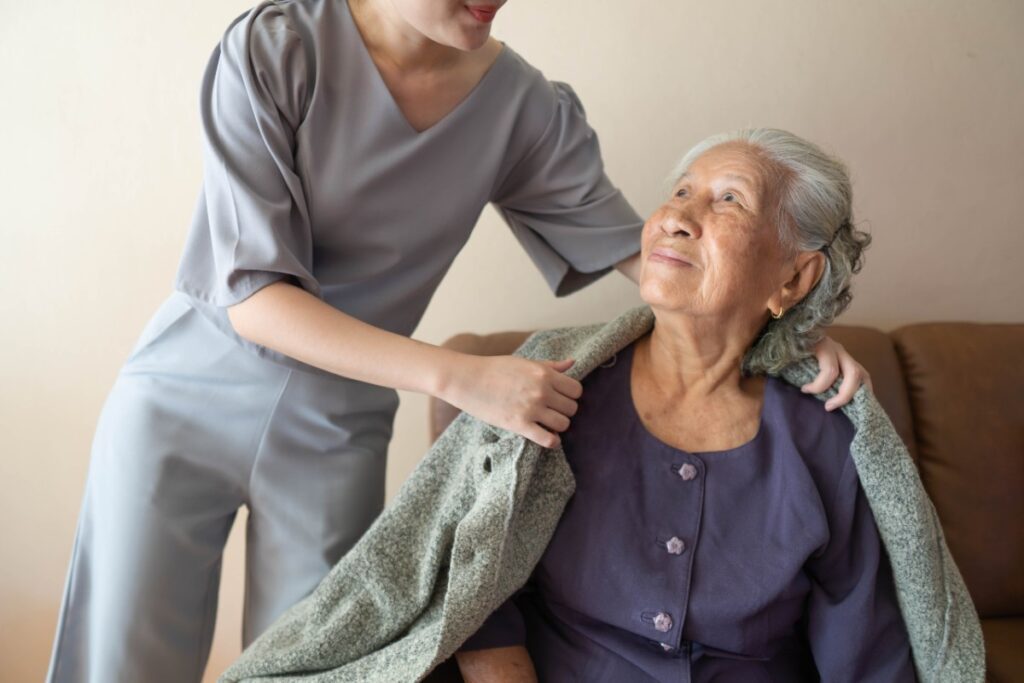
Elder Care and Senior Support services provide a holistic approach to aging in place. From proactive fall prevention and mobility assistance to meaningful companionship for loneliness prevention, we ensure your loved ones live safely and happily in their own homes.
Comprehensive Strategies for Holistic Elder Care and Senior Support
The journey of aging is a complex process that affects every individual differently. As our society experiences a demographic shift with an increasing population of seniors, the demand for specialized care that prioritizes dignity and home based support has never been higher. Providing care for the elderly is not merely about addressing physical ailments; it is about creating an environment where a person can age with grace, purpose, and a sense of belonging. FindCarez aims to redefine this experience by focusing on the pillars of safety, mobility, and emotional health.
Service Matrix for Senior Wellness
The following table summarizes the fundamental pillars of our support system, highlighting the specific areas of intervention and the positive outcomes they provide for the elderly and their families.
Care Domain | Operational Focus | Long Term Impact |
Physical Safety | Home hazard removal and constant supervision | Significant reduction in emergency room visits |
Cognitive Health | Memory games, storytelling, and mental puzzles | Slower progression of age related mental decline |
Nutritional Support | Diet planning and assisted meal consumption | Better management of chronic issues like diabetes |
Social Integration | Community engagement and family connectivity | Elimination of social isolation and depression |
The Fundamental Importance of General Aging Assistance
General aging assistance serves as the bedrock of senior support. Many people assume that elder care only begins when a senior is bedridden, but the most effective care starts much earlier. It begins when simple tasks like opening a jar, changing a lightbulb, or keeping track of bills become a source of stress. By introducing assistance at this stage, we can prevent the burnout that many families' caregivers experience.
Assistance in daily living covers a wide spectrum. It includes light housekeeping to ensure that the living environment is hygienic and free of dust which can trigger respiratory issues. It also involves meal preparation, which is vital because many seniors suffer from malnutrition not because of a lack of food, but because they lack the energy or motivation to cook for themselves. A professional caregiver ensures that meals are not only nutritious but also appealing, considering the sensory changes that often occur with age.
Furthermore, this assistance extends to administrative and organizational support. Managing a home involves a lot of mental energy. Helping a senior organize their mail, schedule doctor appointments, and maintaining a calendar can significantly reduce anxiety. This level of support allows seniors Ors to focus on enjoying their time rather than worrying about the mechanics of daily life.
Fall Prevention as a Life Saving Intervention
One of the most significant fears for seniors and their families is the risk of falling. A single fall can change the trajectory of a senior's life, leading to hip fractures, head injuries, and a permanent loss of mobility. Therefore, fall prevention is treated with the highest priority in our care protocols.
Safety begins with a thorough audit of the home environment. We look for hidden dangers such as loose floorboards, thick carpets that create tripping hazards, and bathrooms that lack proper support structures. Installing grab bars in the shower and near the toilet is a simple yet effective way to prevent accidents. Additionally, lighting is a critical factor. As vision declines, shadows can be misinterpreted as obstacles, so ensuring high quality, flicker free lighting in all hallways and stairwells is essential.
Beyond environmental changes, fall prevention involves physical conditioning. Caregivers work with seniors to improve their core strength and balance through gentle exercise. They also ensure that the seniors' are using their assistive devices, like canes or walkers, correctly. Often, seniors may feel a sense of pride that prevents them from using these tools, but a compassionate caregiver can normalize their use as a means of maintaining independence rather than a sign of weakness.
Mobility Support and the Preservation of Freedom
Mobility is the bridge to independence. When a person can move freely, they can participate in life. However, conditions like osteoarthritis and neurological changes can make every step a challenge. Mobility support is designed to assist seniors in moving safely within and outside their homes.
This support includes assistance with transfers, such as moving from a bed to a chair or getting in and out of a car. These movements are often where injuries occur if not handled with the correct technique. Caregivers are trained in body mechanics to ensure both their safety and the safety of the senior.
Moreover, mobility support is about encouraging activity. Staying sedentary for long periods can lead to pressure sores and muscle atrophy. Caregivers encourage regular movement, even if it is just a short walk to the garden or performing seated stretches. This activity helps maintain circulation and keeps the joints lubricated. By preserving mobility, we allow seniors to continue visiting friends, attending religious services, and staying connected to their community.
Addressing the Silent Crisis of Loneliness
Loneliness among the elderly is a growing public health concern. As friends and peers pass away and family members move for work, many seniors find themselves spending days without a single meaningful interaction. This isolation has a direct impact on physical health, increasing the risk of heart disease and stroke.
Loneliness prevention is integrated into every aspect of FindCarez services. A caregiver is a companion who listens to stories, shares memories, and provides a consistent human connection. We encourage activities that stimulate the mind and heart, such as looking through old photo albums, gardening, or listening to music.
In the modern era, technology can be a powerful tool against isolation, but it can also be intimidating for the elderly. Caregivers help bridge this digital divide by teaching seniors how to use tablets or smartphones for video calls with their grandchildren. Seeing a loved one's face can provide a level of emotional nourishment that a voice call cannot. By fostering these connections, we ensure that our seniors feel valued and remembered.
Nutrition and Medication Management
Proper nutrition and medication adherence are the twin pillars of health management for the elderly. Many seniors take multiple prescriptions daily, and the complexity of managing these doses can lead to dangerous errors. Caregivers provide vital medication reminders, ensuring that the right dose is taken at the right time. They also monitor potential side effects and report any changes in the senior's condition to the family or medical professionals.
Nutritional support is equally important. Metabolic rates change with age, and the body's ability to absorb nutrients may decrease. We focus on a diet rich in fiber, protein, and essential vitamins while managing sodium and sugar intake. For seniors with swallowing difficulties or dental issues, we adapt to the texture of the food without compromising or nutrition.
The Role of Specialized Memory Care
For seniors living with dementia or Alzheimer's, the world can become a confusing and frightening place. Memory care requires a specific set of skills centered around patience, redirection, and routine. We focus on creating a calm environment that reduces triggers for agitation.
Engagement is key in memory care. Using techniques like reminiscence therapy, we help seniors tap into long term memories, which are often more intact than short term ones. This can provide a sense of comfort and identity. We also focus on safety, as wandering is a common concern with cognitive decline. Our caregivers provide a protective presence while allowing the senior to have as much autonomy as possible within a safe boundary.
Enhancing Quality of Life Through Personal Care
Personal care involves the most intimate aspects of support, such as bathing, dressing, and grooming. These tasks are often where seniors feel the most vulnerable. Our approach is rooted in respect and privacy. By assisting with these tasks, we help seniors maintain their personal grooming standards, which has a significant impact on their self esteem.
Feeling clean and well dressed can change a person's outlook on the day. It encourages them to be more social and active. Our caregivers perform these duties with a gentle hand, ensuring that the senior feels like a participant in their care rather than a passive recipient.

Collaborative Care and Family Support
Elder care is a team effort. We recognize that family members are often the primary source of love and support, but they also need to rest. Respite care allows family caregivers to take a break, attend their own lives, and recharge. This prevents caregiver burnout and ensures that the quality of care remains high.
Communication is a vital link to this collaboration. We provide regular updates to families, documenting changes in health, mood, and activity levels. This transparency builds trust and ensures that everyone is on the same page regarding the senior care plan. By working together, we create a circle of support that surrounds the senior with care and expertise.
Conclusion and the Path Forward
The goal of senior support is not to replace the family, but to empower the individual. At FindCarez, we believe that every senior deserves to live a life filled with dignity and joy. By addressing the physical needs through fall prevention and mobility support, and the emotional needs through loneliness prevention, we provide a holistic solution that honors the contributions of our elders.
As we look to the future, we continue to refine our methods, incorporating the latest in geriatric research and technology to provide the best possible care. Our commitment is to ensure that the golden years are truly golden, characterized by comfort, safety, and a deep sense of community. Aging is not the end of a journey; it is a different chapter, and with the right support, it can be one of the most rewarding.