
















1. Introduction
Every person hopes to grow older with dignity, independence, and safety. Many seniors want to stay in their own home instead of entering a nursing facility or assisted living community. Smart home technology can make that possible. These systems support caregivers, reduce medical risk, and improve quality of life for seniors living alone or with limited help. Technology does not replace human compassion. It supports families and makes home care more reliable and scalable.
This article covers how technology is changing senior care now and what to expect through the next five years. It includes real world case examples, historical data, future projections, device spotlights, and commonly searched related to senior care technology and aging in place.
2. Why Smart Senior Home Care Is Critical Right Now
A. Aging Population Growth
- In 2024 global population aged 60 or older reached nearly 960 million and is projected to exceed 1.4 billion by 2030.
- In that timeframe the share of older adults in many countries will exceed 20 percent of the population.
- Many of these individuals want to remain in home care rather than move into institutional care.
B. Preference for Aging in Place
- Surveys reveal over 90 percent of seniors prefer to stay at home even if they need daily support services.
- Yet caregivers are fewer in number and often stretched thin, leaving families to seek technological support.
C. Rising Costs of Traditional Care
- Assisted living monthly costs have increased annually across major markets.
- In contrast smart home systems combined with in home care for elderly often cost less and scale better.
3. Market Growth and Forecasts
|
Year |
Smart Home Healthcare Market Size (USD Billion) |
CAGR % |
|
2022 |
22.7 |
|
|
2025 |
29.0 (estimate) |
~9% |
|
2030 |
90.0 |
~27% |
|
2035 |
380.0 |
~29% |
Key Drivers
- Rapid growth in wearable remote patient monitoring for seniors
- Increased use of smart home safety devices such as fall detection pendants and smart pill dispensers
- Growth in telehealth visits and virtual caregiver support
- Investing by tech companies in home health monitoring devices and elderly care technology trends
These statistics confirm the ramp up in adoption of technology that supports safe aging in place technology solutions.
4. Core Categories of Smart Senior Care Technology
A. Remote Patient Monitoring
Wearable sensors and home based health monitors track heart rate, blood pressure, blood oxygen levels, sleep patterns and movement. Family members or doctors receive real time alerts. In studies these systems have reduced hospital readmissions by 30 percent.
B. Telehealth and Virtual Doctor Visits
Seniors can connect via smartphone or tablet for medical consultations from home. This helps those living in rural areas or limited mobility stay connected to healthcare providers. Virtual visits are now reimbursed by many insurers and Medicare.
C. Ambient Intelligence and Automation
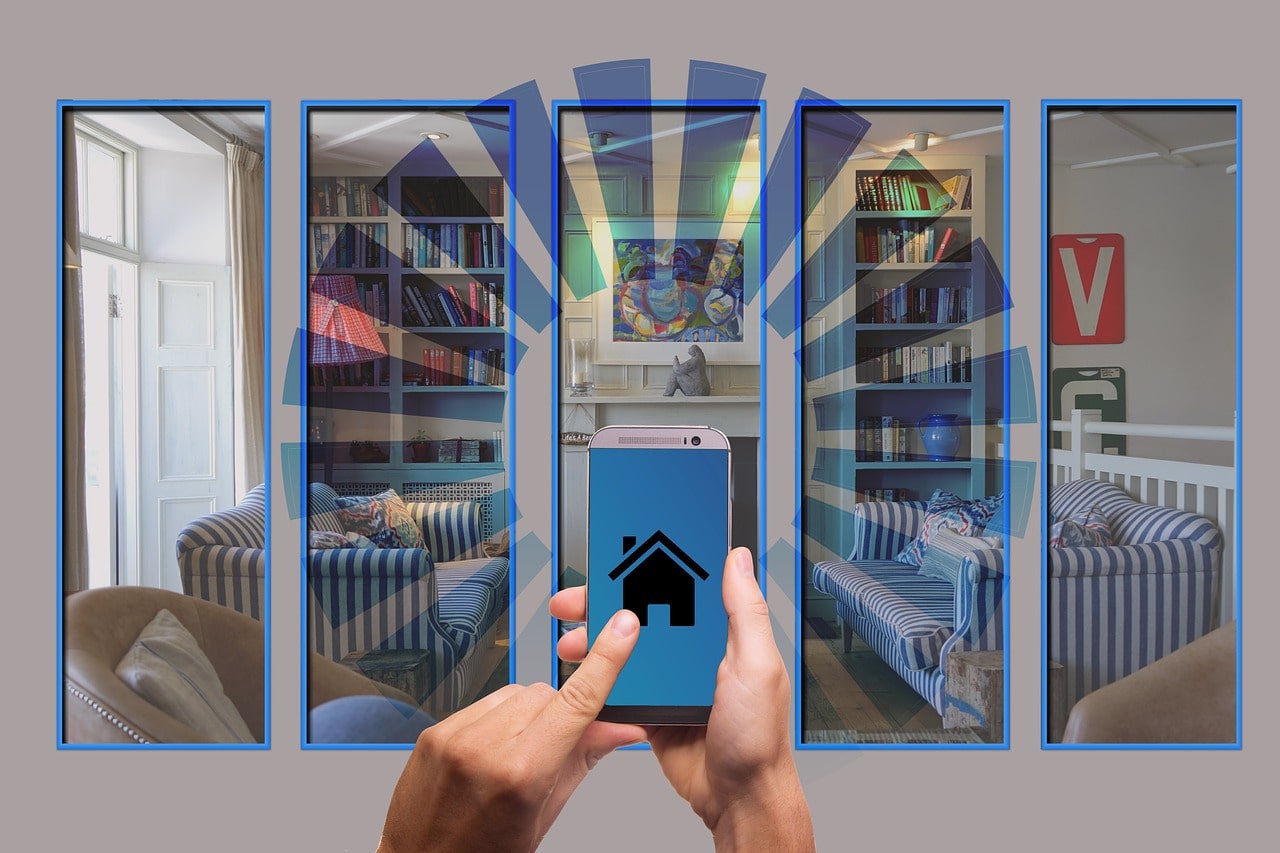
Smart thermostats, lights and locks adjust automatically based on routines. Sensors detect if a senior has not moved for hours, prompting callbacks. Voice assisted home assistants offer medication reminders, hydration alerts, and calendar prompts.
D. Companion Robots and Conversation AI
Robots such as ElliQ and similar systems provide companionship, reminders, activity suggestions and cognitive games that help seniors remain engaged. User feedback indicates reduced feelings of loneliness and improved daily routines.
E. Smart Medication Systems
Automated pill dispensers lock and dispense medication at scheduled times while sending compliance data to caregivers. Medication reminders and refill prompts help avoid missed doses or accidental overdoses.
F. Simple AI Tools on Familiar Devices
Products such as conversational AI phones or smart glasses offer interaction on platforms seniors already know. These can assist with identity recognition for dementia patients or allow voice check‑ins without requiring a smartphone.
5. Real World Use Case Examples
Example 1: AI Risk Prediction in Home Care
A UK home care agency integrated predictive analytics to identify fall risk and hospitalization risk with over 80 percent accuracy. This system has reduced emergency calls by up to 65 percent. Medication compliance rose by 35 percent after deployment.
Example 2: Companion Robot Success Stories
Eighty‑one year old “Doris” began using an AI companion robot. She reported reduced loneliness, improved daily exercise and maintained memory games schedule regularly. Family caregivers note lower anxiety and fewer phone check ins.
Example 3: Smart TV and Voice Reminder Pilot
In a New York pilot, seniors received medication reminders and memory games via their television. The interface was simple and familiar. Families received alerts when seniors did not interact for long periods. Caregivers reported better sleep because they did not worry all night.
Example 4: Remote Health Dashboard for Chronic Care
A chronic care patient used remote monitoring plus a caregiver dashboard. His data included glucose trends, activity duration and nutrition logs. Alerts triggered nurse outreach when signs of risk appeared early. Emergency hospitalization dropped by over 40 percent.
6. Emerging Devices and Platforms to Watch
- ElliQ Companion Robot provides conversation, mental wellness prompts and scheduled reminders. Early research shows 80 percent of seniors engage daily, and 70 percent report mood improvement.
- Bee AI wristband records ambient conversation, transcribes key points and sends reminders intelligently. Amazon recently expressed interest in integrating it into mainstream platforms.
- MedaCareLLM Smart Glasses for Dementia help identify faces and pills while prompting reminders via bone conduction audio. Recognized at global expos.
- Smart AI Mirror and Voice Health Hub devices introduced at consumer expos display key vitals, hydration prompts and emotional wellness checks through voice prompts.
- Smart mobility aids such as AI cane sensors or walkers can detect instability and offer live feedback or warnings.
7. What to Expect Over the Next Five Years (2025–2030)
Integrated Dashboards
Data from wearables, sensors, robots, telehealth and medication systems will combine into a unified dashboard accessible to families and clinicians.
Emotional AI Companions
Companion robots will detect mood signals such as tone of voice or activity levels. They will suggest music, family calls or calming meditation when needed.
Predictive Fall Prevention
Smart cane and walker sensors will monitor gait and balance. The system may alert caregivers or emergency services before a fall occurs.
Real Time Connectivity and Analytics
Fifth and later generation networks will support instant alerts. Cloud analytics will detect patterns, quietly alerting family or medical team based on emerging concerns.
Adaptive Medication Management
AI will recommend dosage adjustments based on patient health data. Systems will schedule refills automatically and notify physicians when changes occur in health metrics.
Policy and Insurance Support
Legislation in many markets will include reimbursement codes for remote monitoring and smart home support tools. Families will access approved devices with reduced out of pocket cost.
8. Challenges and Adoption Barriers
Privacy and Security
Users worry about who accesses their personal health data or obligations under HIPAA and related standards. Device companies must offer strong encryption and user consent tools.
Digital Literacy and Comfort
Many older adults are not comfortable with gadgets. Products with voice control or simple interfaces reduce barriers. Video tutorials and remote tech support also help.
Cost and Access Inequality
Smart home systems remain costly. Low income or rural families may not have high speed internet or device access. Lower cost models and subsidy programs can help bridge the gap.
Fragmented Standards
Interoperability remains inconsistent. Systems that can exchange information using common frameworks such as FHIR will improve integration between different platforms and clinics.
9. Why Families Benefit From Smart Senior Home Care
- Increased safety through fall detection, emergency alerts and remote checks.
- Peace of mind for family caregivers about health status and routine adherence.
- Greater independence for seniors who wish to age in place.
- Reduced caregiver stress while providing data support and early warning signs.
- Supports human connection, freeing up time for meaningful contact instead of logistical worry.
Ultimately technology supports human care rather than replaces it. Families can focus on quality time, not constant supervision.
10. Conclusion
Smart home care technology is advancing rapidly. From remote patient monitoring and telehealth to AI companion robots and medication systems, these tools are shaping the future of aging at home. As markets grow past 90 billion USD by 2030, adoption will become more widespread. Families who explore trusted smart senior care solutions today stand to benefit in safety and comfort over the long term.
If you want help finding safe products or support services visit FindCarez.com for expert recommendations. This platform helps connect families with caregiver support, elder care resources and vetted smart care tools that align with needs and budget.
 Perplexity
 Claude
 Grok
Grok