

















Section 1: Overview
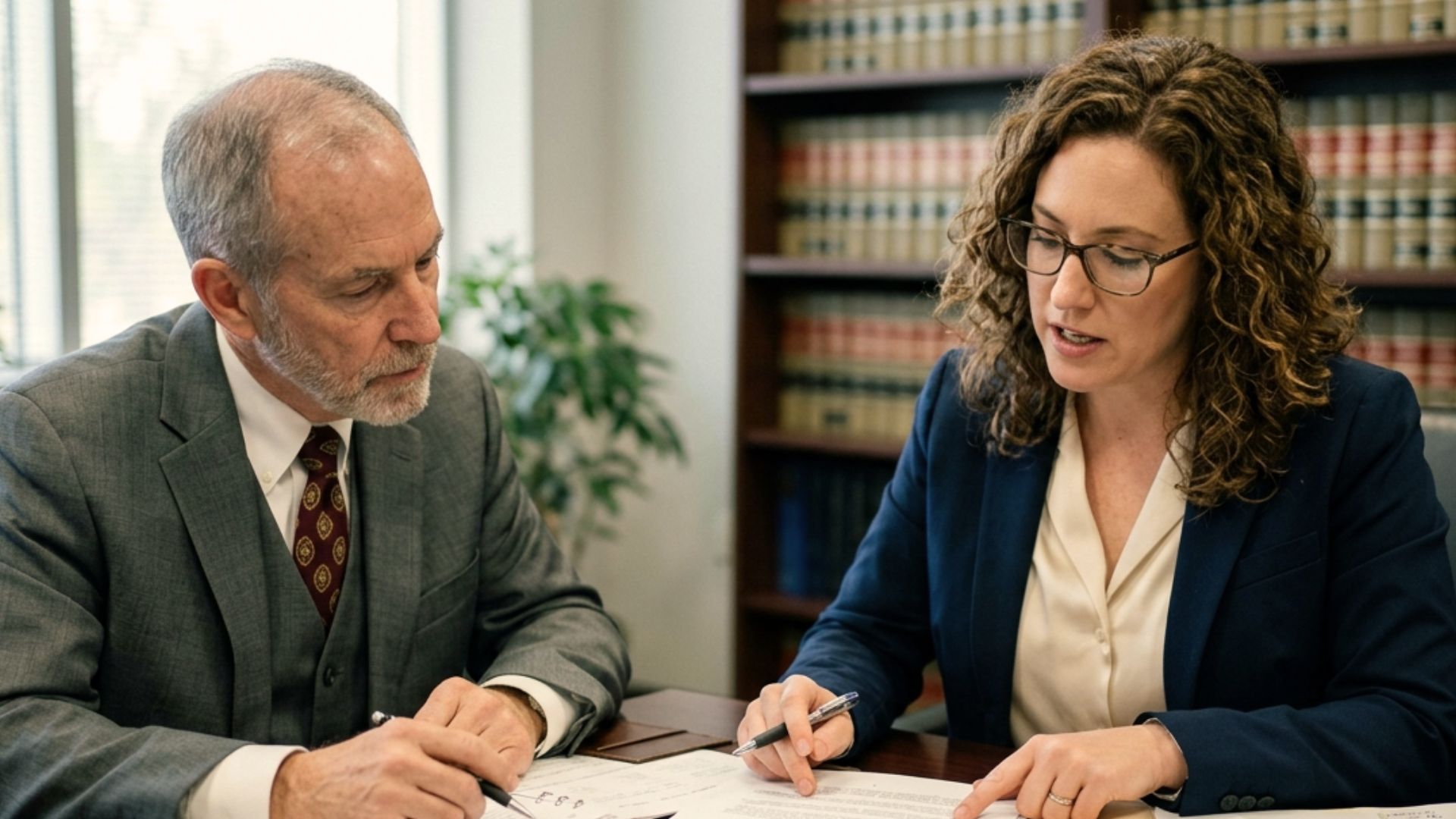
Establishing legal authority allows families to manage affairs when a loved one faces health developments that prevent them from acting alone. A durable power of attorney provides a framework for decision making regarding finances and medical directives. By acting before a health crisis, families maintain control over their assets and personal care preferences. Experts in elder law recommend finalizing these documents to prevent court intervention and simplify long term planning.
Proactive document preparation reduces administrative burdens and aligns with the needs of the aging population in 2026. Families who organize their legal and financial records early report higher levels of stability when managing professional senior care services. Maintaining current and accurate directives helps preserve resources that might otherwise be spent on legal fees or public administrative processes. Reviewing the legal landscape every few years allows households to adapt their strategies to changing regulations and personal circumstances.
|
Financial Metric |
2024 Average |
2026 Estimate |
|
Durable Power of Attorney Usage |
48 percent |
54 percent |
|
Medical Directive Completion |
52 percent |
60 percent |
|
Legal Planning Engagement |
40 percent |
46 percent |
|
Asset Protection Adoption |
34 percent |
39 percent |
For those exploring broader market trends and related services, these additional resources provide context:
Section 2: Types of Senior Care
Selecting a support model remains a foundational part of planning for the future. As financial strategies shift in 2026, many households investigate how various care options interact with their long term goals. Understanding these models allows families to align their assets with the level of assistance required for physical and cognitive health.
Common categories include:
-
Personal care: Daily assistance with hygiene, mobility, and dressing. This model is common for those living at home who need routine help.
-
Skilled nursing care: Medical services managed by licensed practitioners. This level is appropriate for individuals with complex health requirements.
-
Dementia care: Specialized programs for individuals managing cognitive challenges. This model prioritizes a structured and safe environment.
-
Respite care: Temporary relief for family caregivers. This allows primary supporters to take necessary breaks while maintaining the health of the individual.
|
Care Type |
Primary Service Focus |
Typical Intensity |
|
Companion care |
Social engagement |
Low |
|
Personal care |
Daily living tasks |
Medium |
|
Skilled nursing |
Medical treatment |
High |
|
Respite care |
Temporary relief |
Variable |
|
Dementia care |
Cognitive support |
High |
The current market shows a rise in custodial care requests as families prioritize non medical support that focuses on safety and routine. Families frequently review in home care options to see how these services integrate with a broader financial plan. Agencies also provide access to senior care options that adapt to the changing health needs of the client over time.
Section 3: Cost of Senior Care
Financial preparation for senior care requires an accurate projection of long term expenses. As of 2026, households analyze market data to balance personal savings with the necessity of professional support. Understanding the prevailing rates helps families allocate resources for in home care and other essential services.
Industry trends indicate that costs depend on the intensity of support and the geographic location of the recipient. Private agencies bill for home care services by the hour, though some provide flat rates for live in caregiver arrangements. Families monitor these metrics to ensure that their legal and financial strategies align with their actual capacity.
|
Care Level |
Hourly Rate Range |
Monthly Average Cost |
|
Companion Care |
22 - 32 USD |
2,700 - 3,800 USD |
|
Personal Care |
28 - 38 USD |
3,300 - 4,800 USD |
|
Memory Care |
35 - 50 USD |
4,500 - 6,500 USD |
|
24 Hour Care |
Varies |
8,500 - 13,000 USD |
Planning requires a clear view of how these costs impact estate assets. Households often use tools & guide resources to track spending. When budgets remain tight, many explore respite care or seek skilled nursing care only when medical necessity dictates. Monitoring these figures allows for early adjustments to long term plans.
Section 4: How to Choose a Home Care Agency
Selecting a partner for elder assistance involves a process of verification. The goal is to identify an organization that aligns with the requirements of an individual. A home health aide should possess the correct certifications and a professional temperament for long term support.
Families review these factors when selecting an agency:
-
Background check protocols for all staff members.
-
The system used to match caregivers with clients.
-
Contingency plans for when a regular caregiver is absent.
-
Compliance with caregiver certification standards.
|
Agency Evaluation Factor |
High Priority |
Low Priority |
|
Background Checks |
Mandatory |
Optional |
|
Caregiver Training |
Specialized |
General |
|
24/7 Availability |
Essential |
Variable |
|
Client Reviews |
Highly Valued |
Anecdotal |
Agencies often provide a range of in home care models, from hourly visits to live in caregiver arrangements. Families monitor how this service levels impact the overall financial strategy of the household. When evaluating providers, local tools & guide resources help families organize their questions and document responses. Regular communication with the agency management keeps the support plan aligned with the changing needs of the senior.
For additional information on selecting providers, these resources offer further guidance:
Section 5: Local Resources
Community infrastructure supports families managing legal and medical directives. Local organizations provide avenues to access elder law expertise and documentation support. Families often find that regional networks assist in connecting with professional teams who understand state specific requirements for power of attorney instruments. Participation in expos and events allows for direct contact with legal specialists and advocacy groups. These interactions help households clarify their options while managing the long term needs of a senior.
The following resources provide platforms for community engagement and professional support:
|
Resource Type |
Available Support |
Purpose |
|
Senior Centers |
Social activities |
Community engagement |
|
Adult Day Care |
Daytime supervision |
Social and safety |
|
Area Agencies on Aging |
Public grants |
Resource connection |
|
Local Caregiver Forums |
Peer support |
Advice sharing |
For those researching broader market trends and related services across various regions, these location based profiles provide additional data:
Families often utilize tools & guide resources to track their progress in document preparation. Maintaining active communication with local management keeps support plans aligned with the evolving health and financial status of the individual.
Section 6: Find Caregivers
Locating a professional for personal assistance is the final stage of establishing a support plan. Families often utilize caregiver registries or work through a licensed agency to secure reliable support. The labor market in 2026 offers expanded ways to search caregiver profiles online. This accessibility allows households to review background and caregiver certification details before setting up an interview.
Agencies offer a layer of vetting that provides peace of mind, while independent registries provide more direct control over the hiring selection. The path chosen often depends on specific house budgets and personal management capacity. Maintaining a focus on staff tenure and professional caregiver career info helps families select candidates who are likely to remain committed to the role. Consistency in support is a factor for those who require long term dementia care. When households prioritize providers who align with the specific in home care needs of the individual, they see better results.
|
Search Method |
Pros |
Cons |
|
Home Care Agency |
Vetted staff and insurance |
Higher cost |
|
Independent Registry |
Lower cost and direct control |
Administrative work |
|
Personal Referrals |
High trust |
Limited reach |
|
Online Platforms |
Large pool of candidates |
Variable vetting |
Families who take the time to conduct thorough interviews generally report higher satisfaction with their hired staff. Checking references and verifying previous experience remains the standard for maintaining safety and quality in the home environment.
Section 7: FAQ for Power of Attorney Guide
1. What is the main purpose of a power of attorney for seniors?
The power of attorney allows a chosen agent to manage financial and legal affairs if a senior becomes unable to handle these matters independently.
2. How do I start the legal planning process?
Begin by gathering all financial documents, identifying your goals, and consulting with an elder law expert to establish the framework.
3. Why is early preparation better than waiting?
Early action allows for the completion of required look back periods for public aid eligibility and provides time to make necessary legal adjustments.
4. What documents are needed for my planning folder?
Applicants should organize income records, bank statements, property deeds, and medical history. Using tools & guide resources can help simplify record keeping.
5. Does gifting assets affect my ability to qualify for public aid?
Yes, transferring property or money for less than fair market value during the look back period can cause penalties or delays in eligibility for state assistance.
6. Is there a difference between a will and a trust?
A will dictates how assets are distributed after death, while a trust can hold assets during your lifetime and provide for management if you become incapacitated.
7. How can I manage future medical costs?
Families often use long term care insurance, personal savings, or state programs to cover senior care expenses.
8. Can I use a professional to help with my plan?
Yes, seeking guidance from qualified experts is a standard practice to ensure your financial plan complies with all regional laws and regulations.
9. What happens if I do not have a legal plan?
Without a plan, state laws determine how your assets are distributed, which may not align with your personal preferences or family needs.
10. How often should I update my plan?
Review your documentation every few years or after major life events such as changes in health, financial status, or family structure to maintain accuracy.
Section 8: PAA for Power of Attorney Guide
1. What is the main purpose of a power of attorney for seniors?
The power of attorney allows a chosen agent to manage financial and legal affairs if a senior becomes unable to handle these matters independently.
2. How do I start the legal planning process?
Begin by gathering all financial documents, identifying your goals, and consulting with an elder law expert to establish the framework.
3. Why is early preparation better than waiting?
Early action allows for the completion of required look back periods for public aid eligibility and provides time to make necessary legal adjustments.
4. What documents are needed for my planning folder?
Applicants should organize income records, bank statements, property deeds, and medical history. Using tools & guide resources can help simplify record keeping.
5. Does gifting assets affect my ability to qualify for public aid?
Yes, transferring property or money for less than fair market value during the look back period can cause penalties or delays in eligibility for state assistance.
6. Is there a difference between a will and a trust?
A will dictates how assets are distributed after death, while a trust can hold assets during your lifetime and provide for management if you become incapacitated.
7. How can I manage future medical costs?
Families often use long term care insurance, personal savings, or state programs to cover senior care expenses.
8. Can I use a professional to help with my plan?
Yes, seeking guidance from qualified experts is a standard practice to ensure your financial plan complies with all regional laws and regulations.
9. What happens if I do not have a legal plan?
Without a plan, state laws determine how your assets are distributed, which may not align with your personal preferences or family needs.
10. How often should I update my plan?
Review your documentation every few years or after major life events such as changes in health, financial status, or family structure to maintain accuracy.
 Perplexity
 Claude
 Grok
Grok