















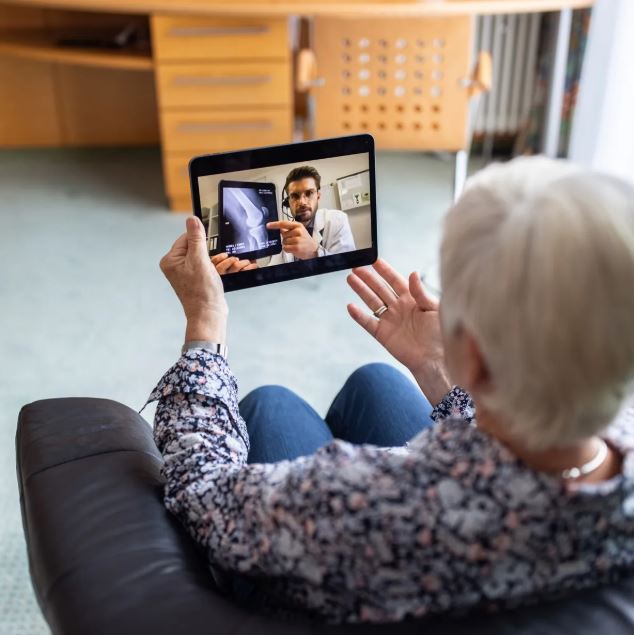
The global healthcare landscape has reached a pivotal moment as we move deeper into 2026. What was once considered a temporary convenience during global health crises has now matured into a robust, technology driven ecosystem of care. For families searching for senior care agencies near me or exploring home care services, the integration of digital tools has fundamentally changed the experience of aging and recovery. At FindCarez.com, we are witnessing a significant shift where telehealth services and remote care are no longer just optional add owns but are central pillars of modern medical support. This evolution is driven by the need for accessibility, efficiency, and the desire for patients to remain in the comfort of their own homes while receiving high level clinical supervision.
The Technological Infrastructure of 2026
The telehealth platforms 2026 utilize sophisticated artificial intelligence and high speed connectivity to bridge the gap between patients and providers. Unlike the early iterations of video consultations, today's remote care systems are deeply integrated with the patient's daily life. We now see a seamless flow of data from the home environment directly to medical centers, allowing for proactive interventions rather than reactive treatments. This infrastructure supports a wide range of needs, from routine checkups to complex chronic disease management, making affordable nursing care at home a reality for millions of families who previously struggled with the logistics of frequent hospital visits.
Remote Patient Monitoring Services
Perhaps the most impactful development in this sector is the advancement of remote patient monitoring services. These systems use wearable devices and smart home sensors to track vital signs such as heart rate, blood pressure, oxygen saturation, and glucose levels in real time. For seniors receiving elder care, these devices provide a continuous safety net. If a patient's vitals deviate from their baseline, an automated alert is sent to their healthcare team and family caregivers. This level of constant vigilance reduces hospital readmissions and provides peace of mind to families who may be miles away from their loved ones.
-
Real time heart rate and rhythm monitoring for cardiac patients.
-
Continuous glucose monitoring for effective diabetes management.
-
Fall detection sensors that alert emergency services instantly.
-
Sleep apnea and respiratory tracking for better nighttime safety.

Impact on Caregiver Burnout Solutions
One of the most significant benefits of the rise in remote care is the relief it provides to family members. Caregiving is a demanding role that often leads to physical and emotional exhaustion. By utilizing telehealth platforms 2026, families can access caregiver burnout solutions that were previously unavailable. Remote care allows for virtual respite, where a professional can monitor a senior through digital channels, giving the primary caregiver time to rest. Additionally, family caregiving resources are now more accessible through online portals, offering support groups, educational webinars, and direct access to mental health professionals for the caregivers themselves.
Comparative Overview of Care Models in 2025
To understand the value of these advancements, it is helpful to compare traditional care methods with the modern, technology integrated approach found through FindCarez.com.
|
Feature of Care |
Traditional Home Care Model |
Modern Telehealth Integrated Model |
Impact on Patient |
|
Medical Consultations |
Requires physical travel to clinic |
On demand video and audio calls |
Reduced stress and fatigue |
|
Vital Sign Tracking |
Periodic manual checks by nurse |
Continuous remote patient monitoring |
Early detection of issues |
|
Response Time |
Delayed until next visit or crisis |
Immediate alerts and virtual triage |
Faster clinical interventions |
|
Caregiver Support |
Limited to local physical visits |
Global access to digital resources |
Reduced caregiver burnout |
|
Cost Efficiency |
High travel and facility costs |
Lower overhead and optimized visits |
More affordable nursing care |
Professional Home Care Providers and Digital Trust
As the market for private home care providers expands, digital trust has become a vital component of the relationship between agencies and families. People now look for best home care agencies reviews to verify that a provider is not only clinically competent but also tech savvy. In 2026, the best agencies are those that have successfully merged the human touch of traditional home care services with the precision of digital health tools. FindCarez.com serves as a critical directory for these modern providers, ensuring that families can find caregivers who are trained in both nursing and the operation of remote care technologies.
Healthcare SEO Strategies for Modern Agencies
For care agencies, the shift toward digital health requires a change in how they reach their audience. Implementing healthcare SEO strategies is no longer just about ranking basic terms; it is about demonstrating expertise in the future of care. Agencies must focus on terms like remote patient monitoring services and telehealth services to attract tech forward families. Content that explains the benefits of these technologies helps in patient acquisition online by establishing the agency as a forward thinking leader in the healthcare space. Transparency in reviews and clear descriptions of digital capabilities are now the primary drivers of growth for successful care businesses.
The Evolution of Elder Care Assistance
Elder care assistance in 2026 is characterized by a "hospital at home" philosophy. Advanced telehealth platforms 2026 allow for complex procedures and monitoring that were once only possible in a clinical setting. For example, specialized private home care providers can now manage post operative recovery through guided video physical therapy sessions and digital wound monitoring. This shift not only improves the patient's comfort but also significantly lowers the risk of hospital acquired infections. The home has truly become the new center of the healthcare universe, supported by a global network of digital experts.
Family Caregiving Resources and Education
The digital revolution has also democratized medical knowledge. Families now have access to extensive family caregiving resources that help them understand complex medical conditions. Portals on FindCarez.com provide interactive guides on how to use remote patient monitoring services and how to interpret the data they generate. This empowers families to be active participants in the care plan, fostering a collaborative environment between the patient, the family, and the professional healthcare team.
Future Projections Beyond 2026
Looking beyond the current year, we can expect even greater integration of artificial intelligence and robotics in the home care space. AI will likely move from simple monitoring to predictive analytics, where a system can predict a health crisis days before it happens based on subtle changes in a patient's data patterns. Robotics may assist with physical tasks like lifting or medication dispensing, further supporting the work of private home care providers. As these technologies become more affordable, the goal of providing high quality, affordable nursing care at home for every senior will become a global reality.
Conclusion: Embracing the Digital Care Era
The future of healthcare is bright, personalized, and increasingly digital. Telehealth services and remote care are not replacing the human heart of medicine; they are amplifying it. By removing the barriers of distance and time, these technologies allow professional caregivers to focus more on the patient and less on the logistics of travel and paperwork. For families, the ability to find senior care agencies near me that offer these advanced services through FindCarez.com is a game changer. As we embrace the healthcare future of 2026, we must continue to prioritize the safety, dignity, and comfort of those we care for. The integration of remote monitoring and telehealth is the most powerful tool we have to ensure that every individual can age with grace and security in the home they love.
For a comprehensive guide on vetting private home care providers, visit FindCarez: https://findcarez.com/
 Perplexity
 Claude
 Grok
Grok