













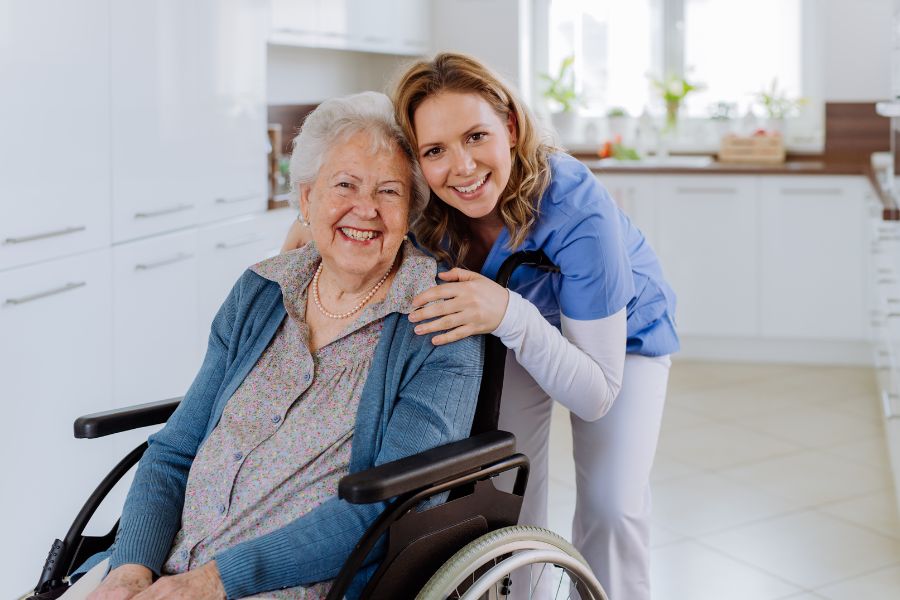
Sweden has long been recognized globally for its advanced welfare state and high standards of medical care. However, the nation is currently facing a significant demographic challenge that is testing the resilience of its social systems. The phenomenon of an aging population Sweden is not just a localized issue but a nationwide trend that is reshaping the demand for specialized support. As the proportion of citizens over the age of 80 continues to rise, the country is witnessing a surge in caregiving Sweden needs that spans from traditional medical help to complex social support. This shift is driving new elder care trends Sweden, where the focus is moving toward integrated, home based solutions that prioritize the dignity and independence of the individual.
The Demographic Landscape of Modern Sweden
The statistics surrounding the aging population Sweden are a testament to the success of the country's public health initiatives. Swedes are living longer than ever before, but this longevity brings with it a higher prevalence of age related conditions such as dementia and reduced mobility. Unlike previous decades where institutional care was the primary response, the current Swedish model emphasizes aging in place. This cultural and policy shift has placed a spotlight on senior care Sweden, making it one of the most discussed topics in municipal planning. The challenge lies in providing high quality care to a growing number of seniors while facing a shortage of professional staff in the healthcare sector.
The Evolution of Home Care SE
In the Swedish context, the municipality is responsible for ensuring that its residents receive the help they need. This has led to the robust development of home care SE services. These services are designed to help seniors remain in their familiar environments for as long as possible. However, as the needs of the elderly become more complex, the public sector is increasingly looking for ways to supplement its offerings. Families are now more active in searching for senior care agencies near me to find additional private support that can offer more personalized attention than what is available through standard municipal programs.
The Rise of Private Home Care Providers
While Sweden's public system is comprehensive, there is a growing market for private home care providers. These agencies offer a level of flexibility and customization that appeals to families with specific requirements. For instance, some families may need affordable nursing care at home that goes beyond basic assistance with daily tasks. Private providers often fill this gap by offering specialized medical monitoring and companionship services. This dual system allows Sweden to maintain its commitment to universal care while providing options for those who want a more tailored caregiving Sweden experience.
Digital Innovation: Telehealth and Remote Monitoring
To address the logistical challenges of an aging population Sweden, the country is rapidly adopting digital healthcare solutions. Telehealth platforms 2026 are becoming a cornerstone of the Swedish healthcare experience, especially in the northern regions where distances between patients and clinics can be vast. These platforms allow for regular consultations and mental health support without the need for travel. Furthermore, remote patient monitoring services are being used to track vital signs and activity levels in real time. This technological safety net allows seniors to live independently with the confidence that help is always just a digital connection away.

Addressing the Reality of Caregiver Burnout
Despite the availability of professional services, family members still provide a vast amount of informal care in Sweden. The pressure of balancing a career with the needs of an aging parent often leads to physical and emotional exhaustion. Caregiver burnout solutions have therefore become an essential part of the Swedish healthcare conversation. Local authorities and private agencies are increasingly offering family caregiving resources such as respite care and support groups. By providing a temporary break for family members, these services ensure that the primary caregiver can maintain their own health while continuing to support their loved ones.
The Economics of Caregiving in Sweden
The funding of senior care Sweden is primarily through local taxes, but the rising costs are leading to a more competitive landscape for service providers. This environment has made healthcare SEO strategies vital for private agencies looking to reach families in need. As more people turn to the internet to research their options, patient acquisition online is becoming a key factor in the sustainability of private care models. Agencies that focus on providing transparent information and showcasing best home care agencies reviews are more likely to build the trust necessary to succeed in the Swedish market.
Comparison of Care Models in Sweden
To help families understand the options available to them, the following table compares the primary care models currently operating within the Swedish system.
Sweden Care Model Comparison Table
|
Service Category |
Primary Provider |
Focus |
Level of Support |
Accessibility |
|
Municipal Home Care |
Local Government |
Daily Living Tasks |
Moderate |
Universal |
|
Private Home Care |
Private Agencies |
Specialized Nursing |
High / Flexible |
Market Based |
|
Telehealth Platforms |
Tech Providers |
Remote Consultations |
Diagnostic |
High (Digital) |
|
Nursing Homes (SÄBO) |
Municipality |
24/7 Medical Care |
Maximum |
Needs Based |
|
Respite Care Services |
Mixed |
Burnout Prevention |
Temporary |
Moderate |
The Importance of Quality and Reviews
In a country where social trust is high, the reputation of a care provider is everything. Families are increasingly relying on best home care agencies' reviews to evaluate the quality of both public and private services. These reviews provide insights into the punctuality of staff, the quality of medical care, and the overall empathy shown by caregivers. For providers, maintaining a high standard of service is not just about compliance with Swedish regulations; it is about proving their value to the community. This focus on quality is a major driver of patient acquisition online for the most successful agencies.
Future Trends: Elder Care Trends Sweden 2026
As we look toward 2026, several elder care trends Sweden are expected to take center stage. The integration of artificial intelligence into remote patient monitoring services will allow for even earlier detection of health issues. There is also a move toward more intergenerational housing projects, where students and seniors live together to combat loneliness. These social innovations, combined with the continued expansion of telehealth platforms 2026, represent a holistic approach to aging. The goal is to ensure that the aging population Sweden feels supported not just medically, but socially and emotionally as well.
Supporting the Backbone of Care
The future of caregiving Sweden depends on the wellbeing of the workforce and family members alike. Investing in family caregiving resources is just as important as investing in new medical technology. Sweden is leading the way in providing paid leave for those caring for sick relatives, but more needs to be done to address the long term psychological impact of caregiving. By focusing on caregiver burnout solutions, the nation can ensure that its care system remains sustainable for decades to come.
The Global Influence on Swedish Care
Sweden does not operate in a vacuum. By interacting with international business buyers and global healthcare innovators, Swedish agencies can bring the best practices from around the world to the local market. This exchange of ideas is particularly useful for developing new healthcare SEO strategies and improving the efficiency of patient acquisition online. As the world ages together, the lessons learned in Stockholm or Gothenburg will provide valuable insights for other nations facing similar demographic shifts.
Conclusion
The growing need for caregiving support in Sweden is a complex issue that requires a balance of public policy, private innovation, and community support. By embracing home care SE and leveraging the power of telehealth platforms 2026, Sweden is building a future proof system for its seniors. However, the heart of the system remains the human connection. Supporting family members with family caregiving resources and ensuring that affordable nursing care at home is accessible to all are the true indicators of a successful society. As the aging population Sweden continues to grow, the nation’s commitment to dignity, technology, and compassion will ensure that its seniors receive the care they deserve.
Final Thoughts on the Swedish Model
Ultimately, the success of senior care Sweden lies in its ability to adapt. Whether using remote patient monitoring services or the growth of private home care providers, the focus remains on the individual. By utilizing tools to improve patient acquisition online and maintaining high standards reflected in best home care agencies reviews, Sweden is setting a global benchmark for how to care for an aging society with grace and efficiency.
For a comprehensive guide on vetting private home care providers, visit FindCarez: https://findcarez.com/
 Perplexity
 Claude
 Grok
Grok