












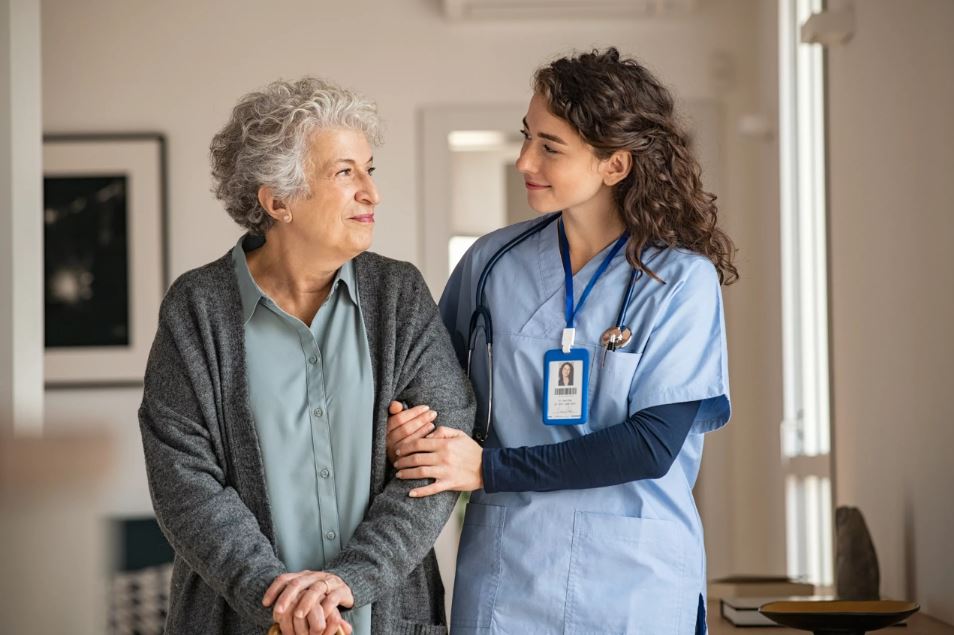
The Netherlands maintains one of the most sophisticated healthcare systems in the world, specifically designed to support the aging population and those with chronic illnesses. For many families, the transition from independent living to receiving professional assistance is a significant milestone. Understanding the infrastructure of home care Netherlands is essential for making informed decisions that prioritize the health, safety, and comfort of loved ones. As the healthcare landscape evolves, families are increasingly looking for reliable senior support for NL to navigate the complexities of local regulations, insurance coverage, and service availability.
The Legal Framework of Care
Dutch home care is built upon three primary pillars of legislation that determine how services are funded and accessed. The first is the Social Support Act, known locally as the Wet maatschappelijke ondersteuning or Wmo. This act is managed by individual municipalities and focuses on helping citizens live independently for as long as possible. Services under the Wmo often include domestic help, home adaptations, and social support. When families search for senior care agencies near me, they are often directed to their local municipality office to begin the assessment process.
The second pillar is the Health Insurance Act or Zorgverzekeringswet. This covers medical home care, such as nursing tasks, wound care, and medication management. This type of care is generally coordinated by a district nurse who assesses the medical necessity of the services. For those requiring affordable nursing care at home, this insurance based model ensures that clinical needs are met without placing an impossible financial burden on the family.
The third pillar is the Long Term Care Act or Wet langdurige Zorg. This is reserved for individuals who require 24 hour supervision or intensive care. Accessing this level of support involves an assessment by the Center for Needs Assessment, which determines the severity of the condition and the level of funding available.
The Role of Private Home Care Providers
While the public system provides a strong safety net, many families choose to supplement these services through private home care providers. Private agencies offer a level of flexibility and continuity that is sometimes difficult to achieve through standard insurance contracted providers. For example, a family might hire a private provider to ensure that the same caregiver visits their elderly parent every day, fostering a deeper emotional connection and a better understanding of the patient's routine.
Inhome care Netherlands has seen a rise in personalized service models where families can use a Persoonsgebonden budget to hire staff directly. This gives the family the power to choose their own caregivers, negotiate schedules, and ensure that the care provided aligns with their cultural or personal preferences. This autonomy is particularly valued by those seeking specialized senior support in NL.
Technological Advancements in Care
As we look toward the future, specifically regarding telehealth platforms 2026, technology is playing an indispensable role in Dutch households. Digital health tools allow for constant communication between patients, family members, and medical professionals. Telehealth has moved beyond simple video calls; it now includes integrated platforms where medical records, care schedules, and real time updates are shared securely.
Remote patient monitoring services have also become a standard part of the care package for many. These services utilize wearable devices or smart home sensors to track vital signs and activity patterns. For instance, if a senior fails to move for an unusually long period, an alert can be sent to both the family and the professional care team. This proactive approach reduces the likelihood of hospitalization and provides an additional layer of safety for those living alone.
Addressing Caregiver Burnout
One of the most overlooked aspects of home care is the wellbeing of the family members providing support. Caregiver Burnout is a serious issue that can lead to health problems for the caregiver and a decline in the quality of care for the patient. Identifying caregiver burnout solutions is a priority within the Dutch system.
Respite care is a vital resource where professional caregivers take over the responsibilities for a set period, allowing the family member to rest and recharge. Additionally, caregiver resources in NL include counseling services, educational workshops on disease management, and peer support groups. By utilizing these family caregiving resources, relatives can maintain their own health while continuing to provide compassionate support to their loved ones.
Selecting the Right Service
When families begin the process of selecting a provider, they often look for best home care agencies' reviews to gauge the quality of care. It is important to look for agencies that hold the HKZ quality mark, which signifies that the organization meets rigorous Dutch standards for healthcare quality and safety.
|
Category of Support |
Primary Service Provider |
Funding Source |
Typical Services Provided |
|
Domestic Support |
Local Municipality |
Wmo Funding |
Cleaning, meals, social visits |
|
Clinical Nursing |
District Nursing Teams |
Health Insurance |
Injections, wound care, triage |
|
Intensive Care |
Specialized Care Homes |
Wlz Funding |
24/7 supervision, palliative care |
|
Digital Health |
Technology Providers |
Mixed Funding |
Telehealth, remote monitoring |
|
Respite Care |
Community Centers |
Wmo or Private |
Daycare, temporary stayovers |
Optimizing the Search for Care
For healthcare organizations, reaching these families requires sophisticated healthcare SEO strategies. Providers must ensure that their information is easily accessible to those searching for specific terms like inhome care, Netherlands, or affordable nursing care at home. This involves creating high quality, informative content that answers the pressing questions of families in crisis.
Patient acquisition online has become a digital first process. Families are no longer relying solely on doctor recommendations; they are conducting extensive research into the backgrounds, certifications, and reputations of home care agencies before making a first contact. This transparency is beneficial for the industry as it drives standards and rewards agencies that prioritize patient outcomes.
The Importance of Local Expertise
Navigating the Dutch system requires an understanding of local nuances. Every municipality in the Netherlands may have slightly different procedures for applying for Wmo support. Therefore, finding senior support NL often means working with advisors who understand the specific requirements of the local Gemeente.
Furthermore, the integration of care is becoming more localized. District nurses, GPs, and social workers now work in closer collaboration to create a seamless care plan. This holistic approach ensures that the patient is not just treated for a medical condition but is supported as a whole person within their community.

The Landscape in 2026 and Beyond
The evolution of telehealth platforms 2026 suggests a move toward even more decentralized care. We are seeing the emergence of virtual wards where patients receive hospital level care in their own bedrooms through advanced remote patient monitoring services. This not only saves the healthcare system money but significantly improves the patient's psychological wellbeing.
As the demand for home care continues to grow, the focus remains on dignity and independence. The goal for every Dutch family should be to find a balance between professional medical intervention and the warmth of a home environment. By leveraging the available family caregiving resources and choosing the right private home care providers, it is possible to create a sustainable and high quality care arrangement.
In conclusion, accessing home care in the Netherlands is a journey that requires patience and research. By understanding the legislative pillars, embracing new technologies like telehealth, and being mindful of the need for caregiver support, families can navigate this transition successfully. The resources are in place to ensure that every individual can age with grace and receive the highest standard of care in the place they love most.
For a comprehensive guide on vetting private home care providers, visit FindCarez: https://findcarez.com/
Home Care and Support Services in the Netherlands – FAQs
1. What home care services are available for elderly people in the Netherlands?
The Netherlands offers a wide range of home care services for seniors, including personal care, nursing care, household help, meal support, and rehabilitation services through municipal and national programs.
2. How can Dutch families apply for home care support?
Families can apply through their local municipality (gemeente) for household help and social support, or through a care office (zorgkantoor) for long‑term care under the WLZ.
3. What is the WMO (Wet Maatschappelijke Ondersteuning)?
The WMO is a Dutch social support law that provides household help, mobility assistance, day programs, and caregiver support for people who need help living independently.
4. What is the WLZ (Wet Langdurige Zorg)?
The WLZ covers long‑term, intensive care for individuals with chronic illnesses, disabilities, or severe age‑related conditions who require 24‑hour supervision or permanent care.
5. Are home care services in the Netherlands covered by insurance?
Basic nursing and medical home care are covered under the Dutch Health Insurance Act (ZVW), while household help is funded through the WMO and long‑term care through the WLZ.
6. What is a wijkverpleegkundige (district nurse)?
A district nurse assesses care needs, coordinates home nursing services, and helps families access the right level of medical and personal care at home.
7. Can families choose their home care provider in the Netherlands?
Yes. Families can select from public and private home care providers contracted by their municipality or insurer, depending on the type of care needed.
8. What support is available for family caregivers in the Netherlands?
Caregivers can access respite care, training programs, financial allowances, and emotional support through the WMO and local caregiver organizations.
9. Are dementia home care services available in the Netherlands?
Yes. Specialized dementia home care, memory support programs, case managers, and day‑care centers are available through municipalities and regional health services.
10. Can expatriates or foreign residents access Dutch home care services?
Legal residents with Dutch health insurance can access home care services, provided they meet eligibility requirements under the WMO, WLZ, or ZVW.
 Perplexity
 Claude
 Grok
Grok