

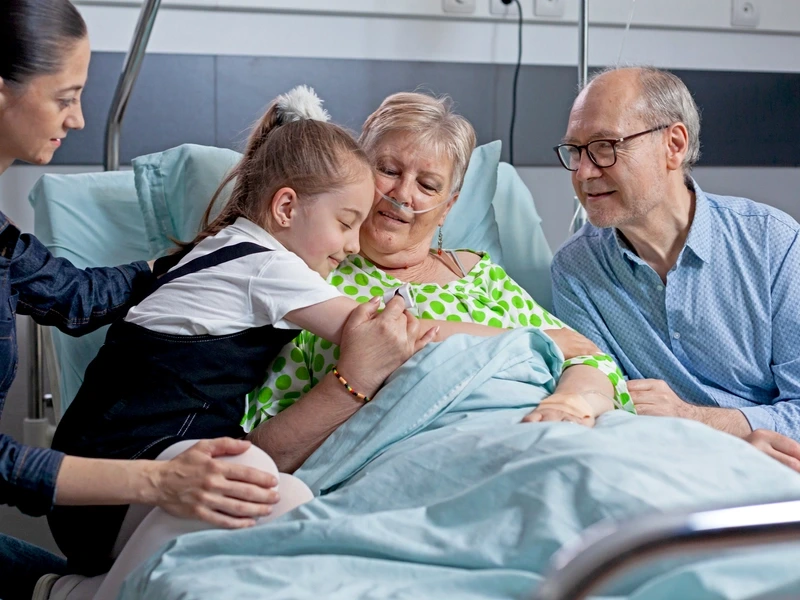
Palliative and comfort care at home provides specialized relief from the pain and stress of serious illness, focusing on symptom control and holistic emotional support.
Palliative Care and Holistic Comfort in the Home Environment
Palliative care is a specialized field of clinical medicine focused on providing relief from the symptoms and stress of a serious illness. Unlike curative treatments that aim to fix a specific problem, palliative care aims to improve the quality of life for both the patient and their family. When provided in a home setting, this care allows individuals to remain in a familiar and comforting environment while receiving high level professional support. On FindCarez.com, we view palliative care as a compassionate bridge that connects clinical expertise with the emotional and spiritual needs of the patient. It is not limited to end of life care; rather, it is appropriate at any stage of a serious illness and can be provided alongside curative treatments.
The philosophy of comfort care is rooted in the belief that every patient deserves to live with dignity and minimal distress. A multidisciplinary team including nurses, therapists, and spiritual counselors' works together to address the physical, emotional, and social challenges that accompany long term health struggles. By bringing these services into the home, we reduce the burden of frequent hospital visits and create a sanctuary where the patient feels truly seen and supported as a whole person, not just a diagnosis.
Clinical Pain Management Support and Strategy
Pain is one of the most debilitating aspects of a serious illness, often preventing patients from sleeping, eating, or engaging with their loved ones. Clinical pain management in palliative care involves a sophisticated understanding of how different types of pain respond to various interventions. It is not just about administering medication; it is about finding a precise balance that provides relief without causing excessive sedation or other unwanted side effects. Nurses monitor the patients' pain levels using standardized scales and work closely with physicians to adjust dosages in real time based on the patient's comfort.
In addition to pharmacological interventions, palliative care at home incorporates nondrug therapies. This might include repositioning techniques to alleviate pressure, the use of heat or cold therapy, and gentle massage to improve circulation and reduce muscle tension. The goal is to create a comprehensive pain management plan that is as unique as the patient themselves. By managing pain effectively at home, we allow the patient to regain their mental clarity and participate more fully in their daily life, which is essential for their overall well being and sense of self.
Symptom Control and Physiological Stabilization
Serious illnesses often bring a range of distressing symptoms beyond physical pain. These can include shortness of breath, nausea, fatigue, loss of appetite, and sleep disturbances. Symptom control is the clinical process of identifying these issues and applying evidence based treatments to mitigate them. For example, if a patient is experiencing respiratory distress, the palliative team may use oxygen therapy, specialized breathing techniques, or medications to ease the sensation of breathlessness.
The clinical team also focuses on nutritional and digestive comfort. Nausea and loss of appetite are common side effects of many treatments and managing them requires a delicate touch. This might involve recommending small, frequent meals or coordinating with a dietitian to find foods that are easy to tolerate. By stabilizing these physiological symptoms, the palliative care team prevents unnecessary emergency room visits and ensures that the patients' home remains a place of peace and stability rather than a site of medical crisis.
Comparison of Palliative Care Dimensions
Care Dimension | Primary Focus | Clinical Objective |
Physical Care | Pain and symptom control | Maximum comfort and physiological ease |
Emotional Care | Anxiety and depression management | Psychological stability and peace of mind |
Spiritual Care | Faith, meaning, and values | Alignment with personal beliefs and peace |
Family Support | Education and respite | Reduced caregiver burden and better coping |
Clinical Oversight | Monitoring and adjustment | Prevention of crises and hospitalizations |
Clinical Support for Serious and Chronic Illness
Serious illness support is more than just managing the body; it is about navigating the complex journey of a long term health battle. Whether a patient is dealing with advanced heart failure, chronic obstructive pulmonary disease, or a progressive neurological disorder, the palliative team provides the clinical expertise needed to manage the progression of the disease. This includes educating the family on what to expect as the illness evolves and providing the tools needed to manage changes in the home.
The team acts as a central hub for communication between all the patients' doctors. This coordination ensures that all treatments are aligned with the patients' goals and values. For instance, if a patient decides they no longer want aggressive interventions, the palliative team ensures that the focus shifts entirely to comfort while still maintaining a high level of clinical oversight. This support provides a sense of security for the family, knowing that they are not alone in making difficult medical decisions and that their loved one's comfort is always the priority.
Emotional and Spiritual Comfort in the Home
The psychological impact of a serious illness can be just as profound as the physical symptoms. Anxiety, fear, and depression are common responses to health challenges. Emotional comfort in palliative care involves providing a safe space for patients to express these feelings. Licensed counselors and social workers visit the home to provide therapeutic support, helping the patient and their family process the emotional weight of their situation. This support is vital for maintaining the patient's mental health and preventing the feelings of isolation that often accompany long term illness.
Spiritual comfort is an equally important pillar of holistic care. Spirituality means different things to different people; for some, it is rooted in organized religion, while for others, it is about finding meaning and purpose in life. Palliative care professionals respect and support all beliefs. They may facilitate visits from religious leaders or simply provide a quiet presence for reflection. By addressing these deep seated needs, the care team helps the patient find a sense of inner peace. This holistic approach ensures that the patients' souls are cared for just as diligently as their body.

Integrative Care and Caregiver Empowerment
A significant part of home based comfort care is the empowerment of the family. Caregivers often face immense stress and exhaustion when looking after a loved one with a serious illness. The palliative team provides respite care and education, teaching the family how to provide comfort safely and effectively. This includes training on how to assist with mobility, how to recognize signs of distress, and how to use medical equipment that might be necessary in the home.
By supporting the caregiver, the team ensures the sustainability of the home care environment. When the family feels confident and supported, they can provide a higher level of emotional care to the patient. The team also assists with the logistical challenges of serious illness, such as coordinating insurance and managing medical supplies. This integrative approach ensures that the entire household is supported, creating a strong foundation of care that benefits everyone involved in the patient's journey.
Conclusion
Palliative and comfort care at home is a profound expression of clinical compassion. By focusing on pain management, symptom control, serious illness support, and emotional well being, licensed professionals provide a comprehensive safety net for those facing life challenging conditions. This service ensures that medical expertise is always balanced with the human need for dignity, peace, and spiritual alignment. FindCarez is committed to connecting families with the professional palliative services required to turn the home into a sanctuary of true comfort and holistic healing, ensuring that every moment is lived with as much ease and support as possible.